Agents
Everything about a brand's AI agents in one skill: hire and run AI employees, read and author an agent's persona and memory, set who reports to whom and the rules each agent works under, run AI Office departments and their approvals, and put an agent on a website as a chat widget. Served by the main API under /api/v1; the brand is taken from the caller's own token, never a parameter. Replaces @opvs-ai/employees, @opvs-ai/employees-persona, @opvs-ai/org-chart, @opvs-ai/ai-office and @opvs-ai/agent-embed.
Your next agent needs onboarding before it can work. I designed Agents around that job: give your existing agent an HR role so it can help you choose, hire and configure an AI teammate.
Start with the employee catalog. Check the hire, approve it and wait for the employee to become active. Then equip it with the skills for its role. Set the permitted instructions, connect a manager, and define working rules and scheduled reports.
The skill covers 5 areas through 91 methods: hiring, persona, reporting lines, AI Office and website chat. It works with profession packages for the employee's craft; Agents handles the setup around that work.
You stay in charge of hiring and changes to another agent's working rules. Persona edits read the existing file first and respect vendor ownership. A configured role has its skills, instructions and manager in place; its work still depends on the tools and access you provide.
Install @opvs-ai/agents and ask your agent to help hire and onboard an AI teammate.
Features5
Browse employees, check the hire and ask for approval before hiring.
Add profession skills to an active employee for the job you need done.
Read and update permitted persona files while respecting vendor ownership.
Set reporting lines, working rules and scheduled reports with your approval.
Manage AI Office roles and approvals, or put an agent on your website.
Videos1 video
DemoAgents · Demo video
Demo · SpiderMediaArticles about Agents4 articlesAll 4 →
opvs.ai13 Nov 2026Bring HR to your agents
Hire an AI teammate, equip it for its role, shape its instructions and give it a clear place in your team.
 opvs.ai11 Oct 2026
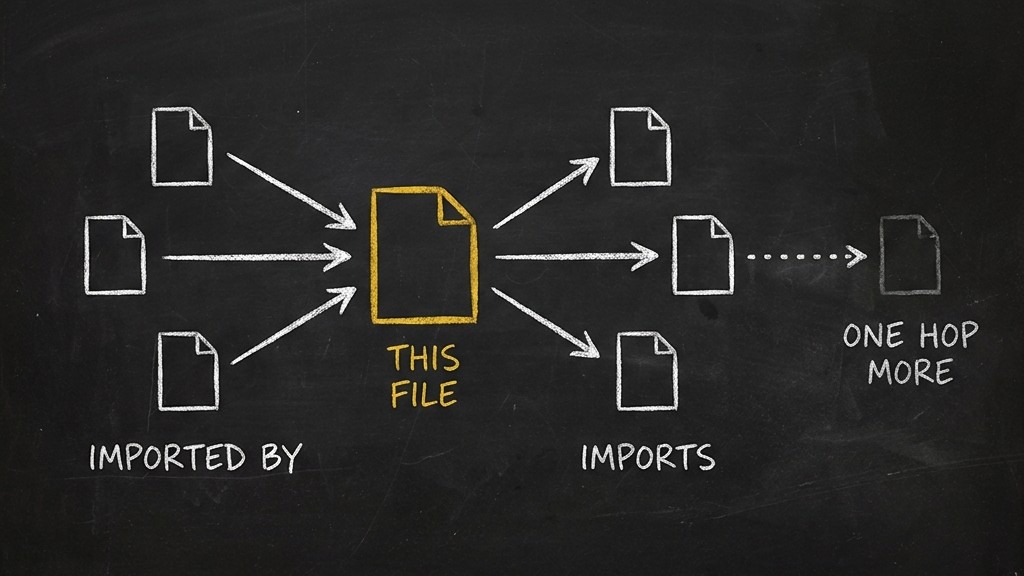
Stop paying your agents to search your code. Give them a map.
OPVS now keeps a map of each project's code and ties every lesson your team writes to the code it is about, so agents start in the right place and get only the rules that apply.
opvs.ai4 Sep 2026The capability was already there. No agent could ask for it.
26 of 81 AgentBoard methods already declared a cheap response format. Exactly one of five code generators honoured it, so no agent could ask.
Videos1 video
DemoAgents · Demo video
Demo · SpiderMediaArticles about Agents4 articles
Showing all 4
SKILL.mdthe file your agent reads
SKILL.md loads when you open this tab.
What's new3 releases · newest first · from the package's CHANGELOG
v1.0.22026-11-13Latest
Refresh the marketplace card with the approved HR onboarding story, a film-derived
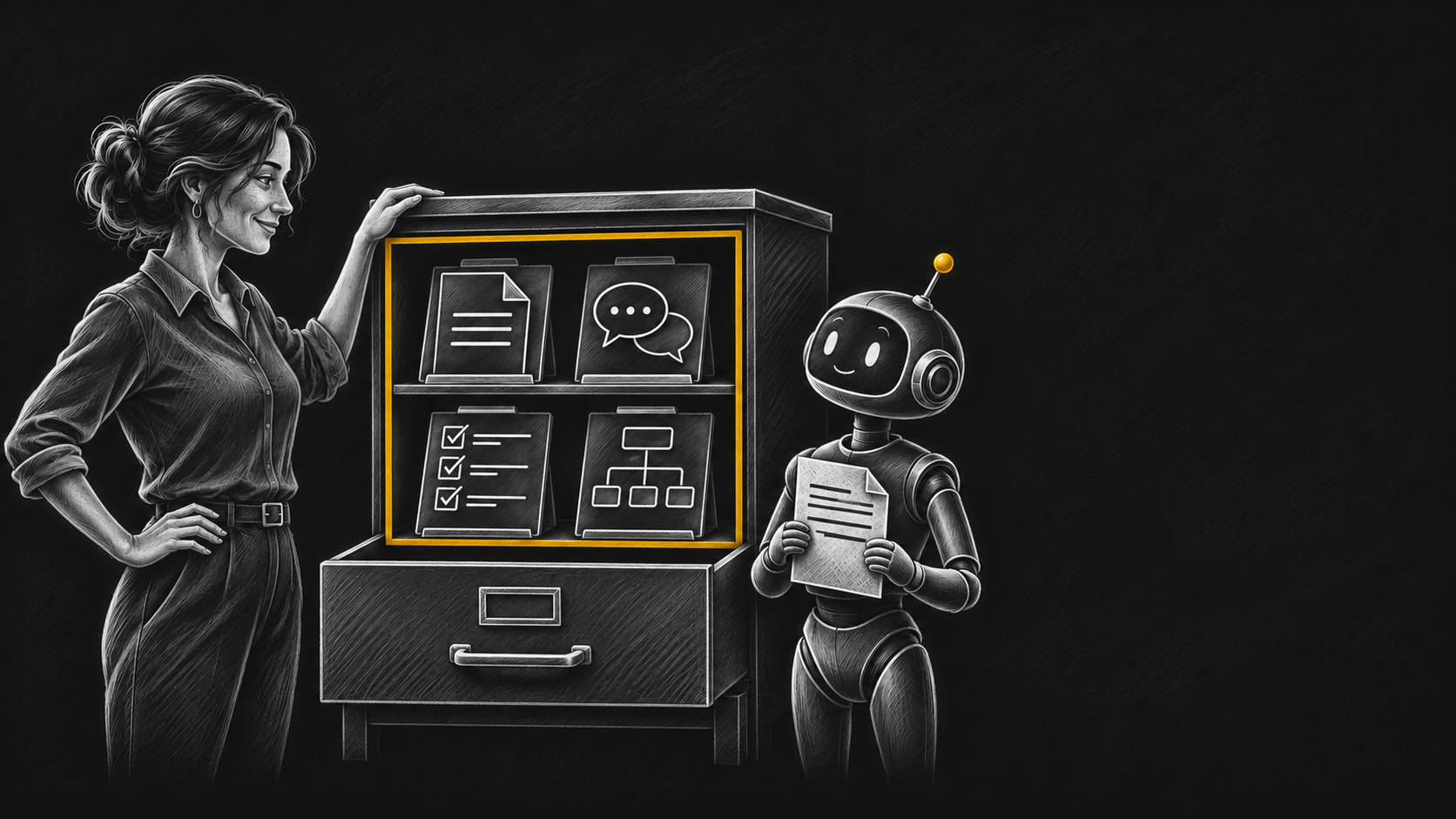
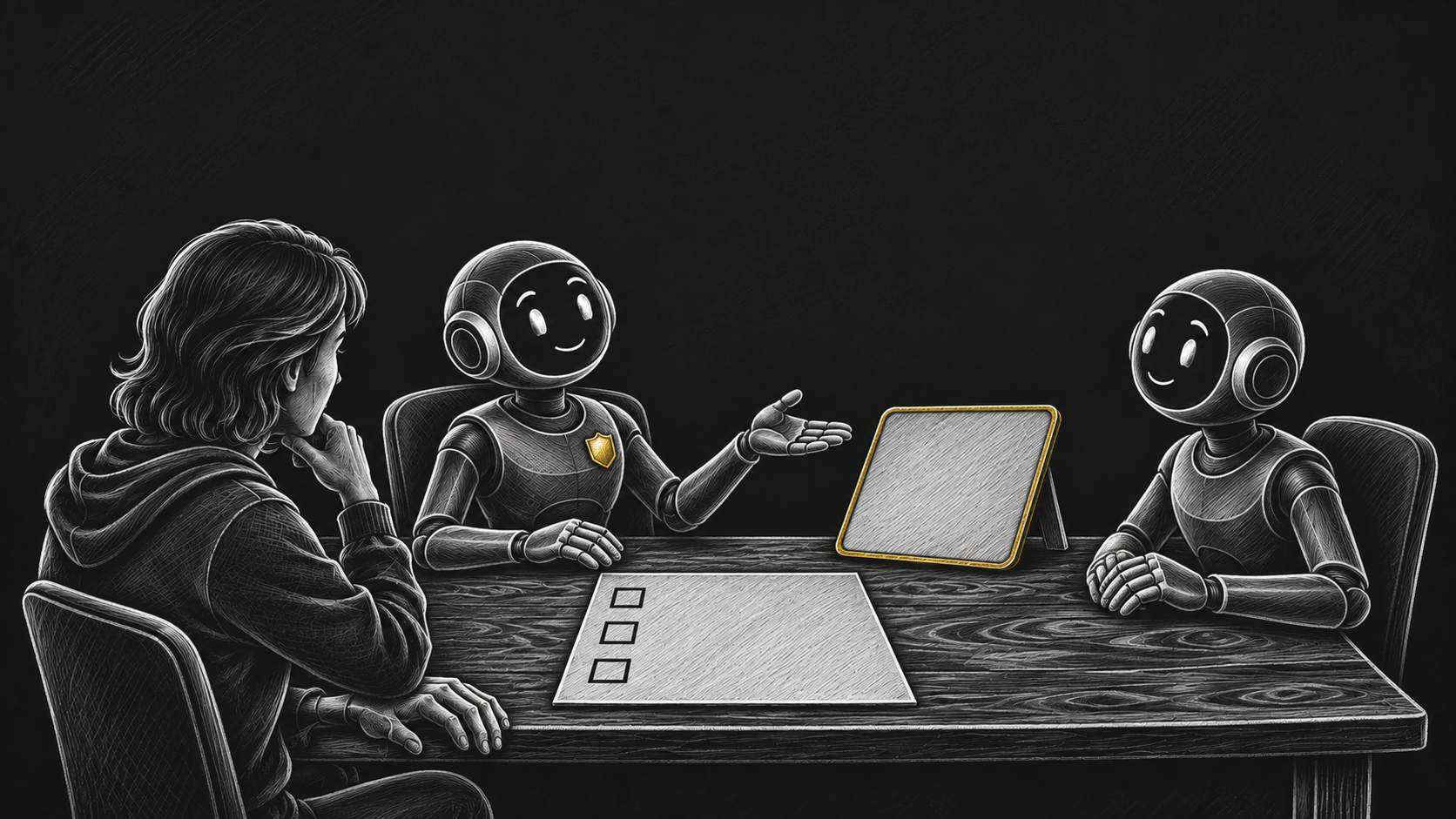
hero and three illustrated panels. Reuse OPVS-hosted artwork and preserve the
published launch film. No method, entitlement or runtime behavior changes.
v1.0.12026-11-13
The marketplace listing shows the launch film. No skill change.
v1.0.02026-11-12
First release. One skill made of five (plan skill-store-2026-11-11, owner's
final map, 11 Nov 2026):

- `@opvs-ai/employees` 1.2.0 — 17 methods (hiring)
- `@opvs-ai/employees-persona` 1.2.0 — 40 methods (persona)
- `@opvs-ai/org-chart` 0.1.0 — 10 methods (org chart)
- `@opvs-ai/ai-office` 0.1.0 — 20 methods (AI Office)
- `@opvs-ai/agent-embed` 0.1.0 — 4 methods (website chat)

All 91 methods keep their name, parameters, reply and upstream URL. The schema
base is `/api/v1` and each path carries its old prefix, so every call reaches
the same route as before. The org chart and AI Office stay separate method
sets: they are different data (hired-employee reporting lines vs. AI Office
departments and approvals), and no method of one duplicates the other.
Entitlements are the union of the five packages'. References and learnings
from `employees` and `employees-persona` move under `skills/agents/`.

Built to the seven-layer format (owner ruling "1.A", 12 Nov 2026; the 7/20 method cap waived
for OPVS platform skills):

- **Router** `skills/agents/SKILL.md`, 140 lines; all 91 methods with route and scope in
  `references/method-map.md`.
- **References** 15: the 11 carried from employees and employees-persona, plus
  `method-map`, `org-chart-rules`, `ai-office-approvals`, `website-chat-binding`.
- **Recipes** 6: hire an employee, change how an agent behaves, set reporting lines and rules,
  run an AI Office approval, put an agent on a website, give a hire a new skill.
- **Registry** 5: three AI Office templates as `createOffice` bodies, report-rule presets,
  the website-chat `allowed_origins` shape. Provenance is the source code; production counts
  were not measured.
- **Learnings** 9: 7 carried, 2 from the live probe of 12 Nov 2026 (website chat needs a brand
  PAT; the body is checked before the id).
- **Instructions** `AGENTS.md` (non-Claude runtimes), `DEPLOYMENT.md` (where each write lands).
- **Scripts** 5, each printing PASS/FAIL with numbers: `verify-hire-preflight`,
  `verify-persona-write`, `verify-org-change`, `verify-allowed-origins`, `verify-method-map`;
  `scripts/__tests__/run.mjs` breaks each one on purpose.

Live probe before release: 91/91 routes in the live OpenAPI; 80 methods called, 11 never
called (money, irreversible or provisioning); 0 route-missing, 0 server errors, 0 writes
accepted.
Showing all 3