
Weekend prototypes feel effortless with a coding agent. You type a prompt. Five files appear. You ship a demo before dinner.
Then your product gets real users. Suddenly you run three backend services. You also manage migrations and background workers. Your live domain cannot go down on a Tuesday afternoon.
That is the moment raw prompt coding breaks. One session skips a service rulebook. Another guesses an environment variable instead of reading your repo. A third marks a card "tested and deployed" in chat. Yet zero proof exists. Instead of building features, you spend evenings babysitting broken pull requests.
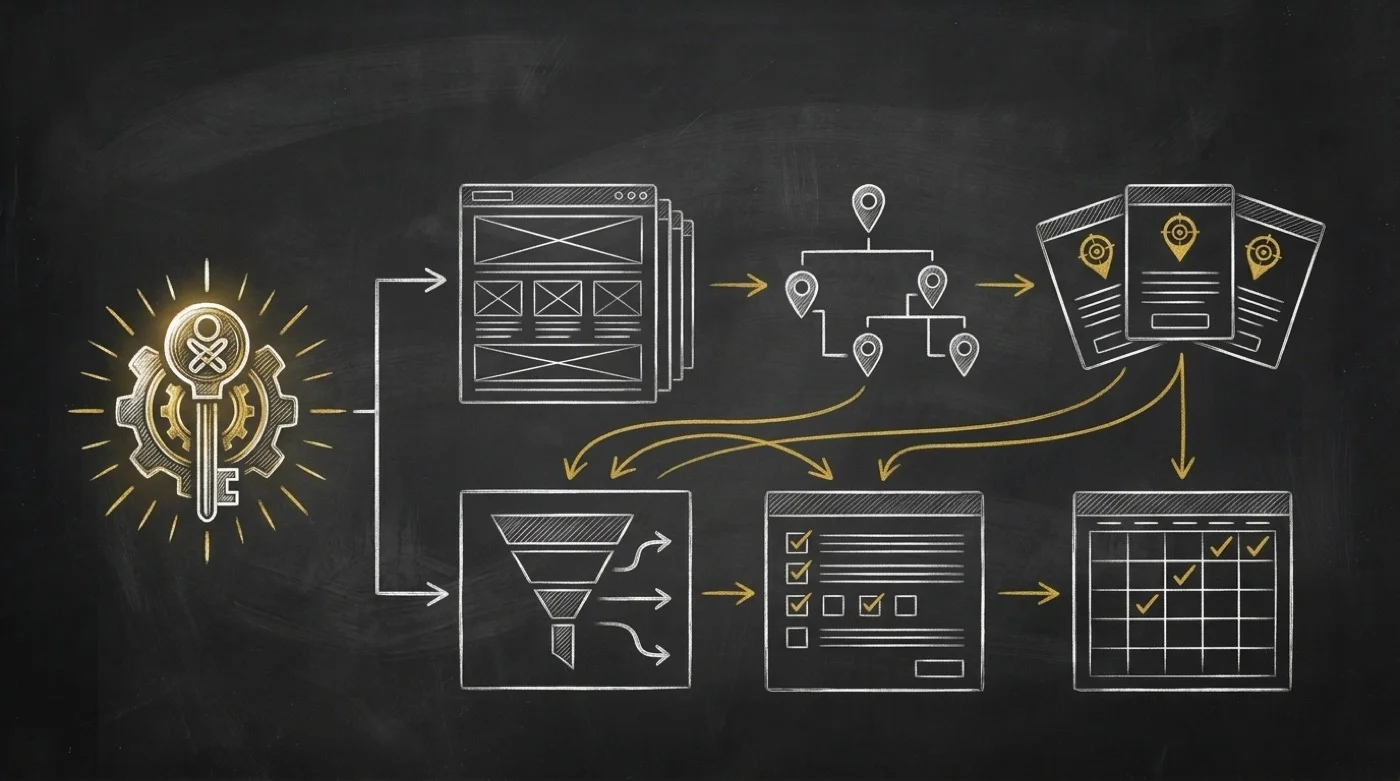
In this post I will show you how I fixed that. I packaged my daily engineering loop into @spideriq/agent-ops-skills on OPVS. You will see how it profiles a repository without guessing defaults. You will also see how it renders 14 commands for Claude Code and Codex.
The false choice when a codebase outgrows prompts
I hit this exact wall at SpiderIQ and OPVS. Early on, I fought agent mistakes with longer markdown warnings. Every broken deploy added ten more lines to my prompt files. Pretty soon my own notes contradicted each other. Fresh sessions ignored half of what I wrote anyway. I hated dreading my merge queue every night.
Here is the false belief that traps builders at that stage:
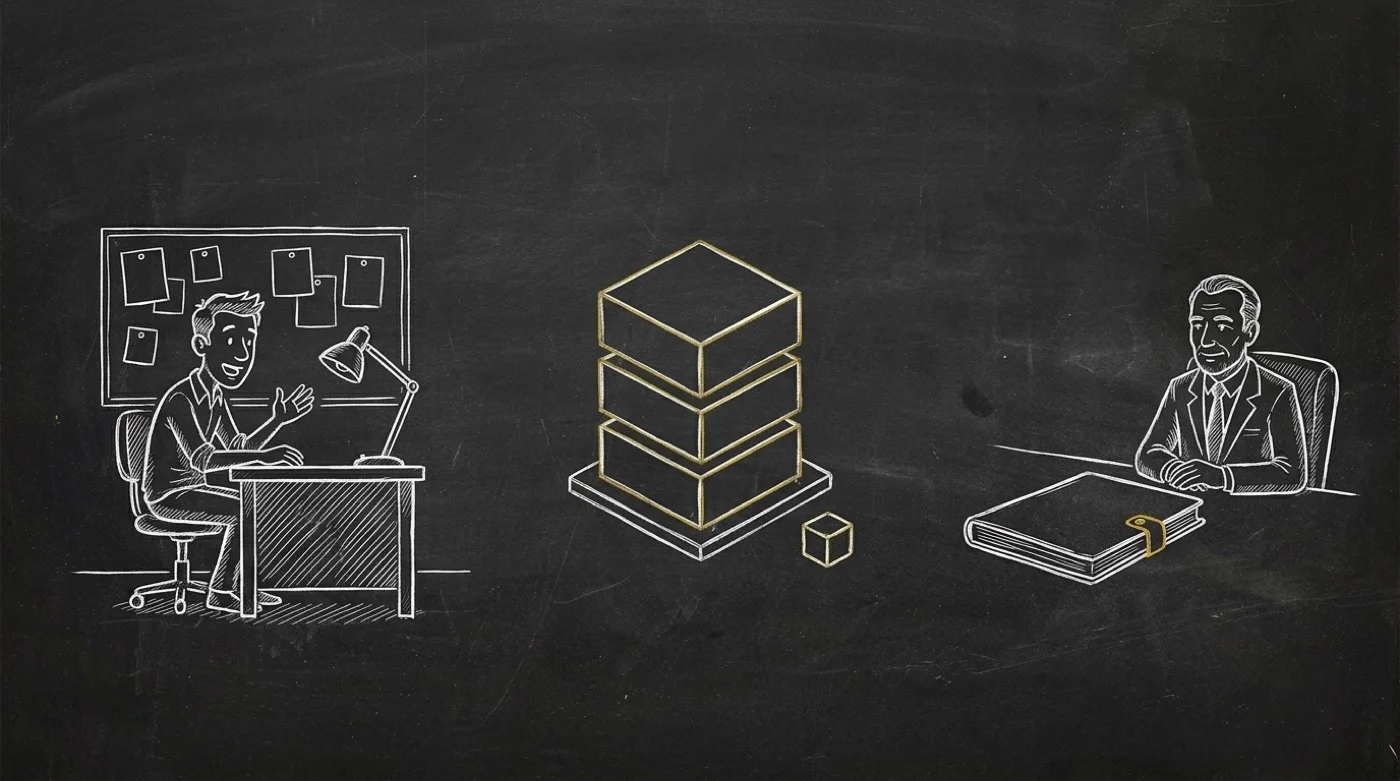
You think shipping stable midsize software with AI requires either a CTO on payroll or months of prompt trial and error.
Neither option works when I run a lean product team. Hiring a staff systems architect costs executive pay. Inventing that discipline from scratch costs me months of preventable outages.
One night I realized chat prose was never the answer. My agents did not need louder reminders from me. They needed a mechanical loop. No stage should ever close without a script measurement.
One repository profile, zero guessed defaults, two runtimes
Most workflow templates failed me on day one. They hardcoded someone else's stack. Or they invented silent defaults whenever a setting was missing. So I split @spideriq/agent-ops-skills into three focused skill routers:
agent-ops-installeradopts the lifecycle into a repository.agent-ops-plannerwires dependency graphs on@opvs-ai/agentboard. It stays synced with@opvs-ai/agentdocsand@opvs-ai/agentmemory.agent-opsruns the daily worker, deploy, release, and orchestrator commands.
Adoption starts with discovery, never guesswork. When discover-profile.sh inspects a repo, unreadable fields stay marked MISSING in ops/profile.yaml. Next, prove-profile.sh tests each setting against a positive probe and a negative control. Finally, render-commands.sh --require-proven refuses to render any unproven slot.
opvs-skills install @spideriq/agent-ops-skills --to ./.agent-ops
bash scripts/verify-profile.sh
bash scripts/render-commands.sh --check
From that single proven file, I generate 14 byte-checked commands. In v0.11.0 and v0.11.1, project.harness renders natively for Claude Code and Codex. It checks AGENTS.md byte caps and pages rulebook reads. It also runs isolated sessions via codex-session.sh.

Separating planner, isolated worker, and deploy orchestrator
Once installed, my loop separates software delivery into three strict roles. No single session mixes planning, coding, and production deploys.
First, the Planner runs /plan-start, /plan-rules, and /plan-close. I built three checklist scripts (verify-board.sh, verify-card.sh, and verify-plan.sh). They draw from 402 real development cards across 8 boards. They block uncarded plan rows, empty briefs, and missing blocked_by edges.
Second, each Worker claims one runnable card in an isolated worktree. Its /start command checks dependencies and reads every touched service rulebook. After coding, /test parses actual test counts. Then /ship checks docs, changelog files, pull request gates, and handoff fields before stopping.
Third, one Orchestrator drains the Deploy column through /orch-start, /orchestrate, and /orch-close. It audits the prior drain, triages CI, and merges pull requests in order. It hashes build inputs on both sides to skip redundant image builds. Then it swaps traffic slots, runs live smoke checks, and writes receipts back to every card.

Script ledgers where CANNOT never counts as passing
While running hundreds of autonomous builds, I spotted a sneaky trap in agent tooling. A check script hits a missing token or a closed port. It prints a warning, exits zero, and lets the agent claim success.
Every command I ship in @spideriq/agent-ops-skills keeps a script ledger with three verdicts:
PASS(exit0) means the check ran and measured clean.FAIL(exit1) means the check ran and caught a real fault.CANNOT(exit2) means the tool could not measure at all.
My ledger refuses to close a report until every step records PASS or a justified N/A. CANNOT never counts as passing. Every ledger also ships a --self-test against broken controls.

Step out of PR babysitting and direct the product
When every card enters a measured loop, my role as a founder changes completely. I stopped acting as a midnight release manager hunting for skipped migrations. Now I stay focused on product direction while my workspace enforces architecture rules automatically. You get that exact same calm in your own repo.
I recorded a 70-second chalkboard explainer film for v0.11.1. I also added a 4-part visual card kit so you can inspect the loop first.
Install @spideriq/agent-ops-skills on OPVS and trigger it with "adopt agent-ops into this repo". Live on the marketplace as @spideriq/agent-ops-skills.