Customer Comms Reader
Read a client's Google Workspace footprint — Gmail, Calendar, Drive — over a bounded window and return a structured, source-attributed extract: what was said, what was decided, what was promised, what is still unanswered, and whether the relationship is drifting. Two phases with a file between them: harvest writes harvest.json using Google's own field names, then reasoning runs over that file alone, so every claim is mechanically resolvable to a real record. Parses Gemini's Meet notes rather than re-extracting from transcripts. Absence is reported as a finding, never as an all-clear. Reads only — never replies, sends, or files. Guidance-only. Multilingual EN/DE/RU/RO/FR/ES/HE.
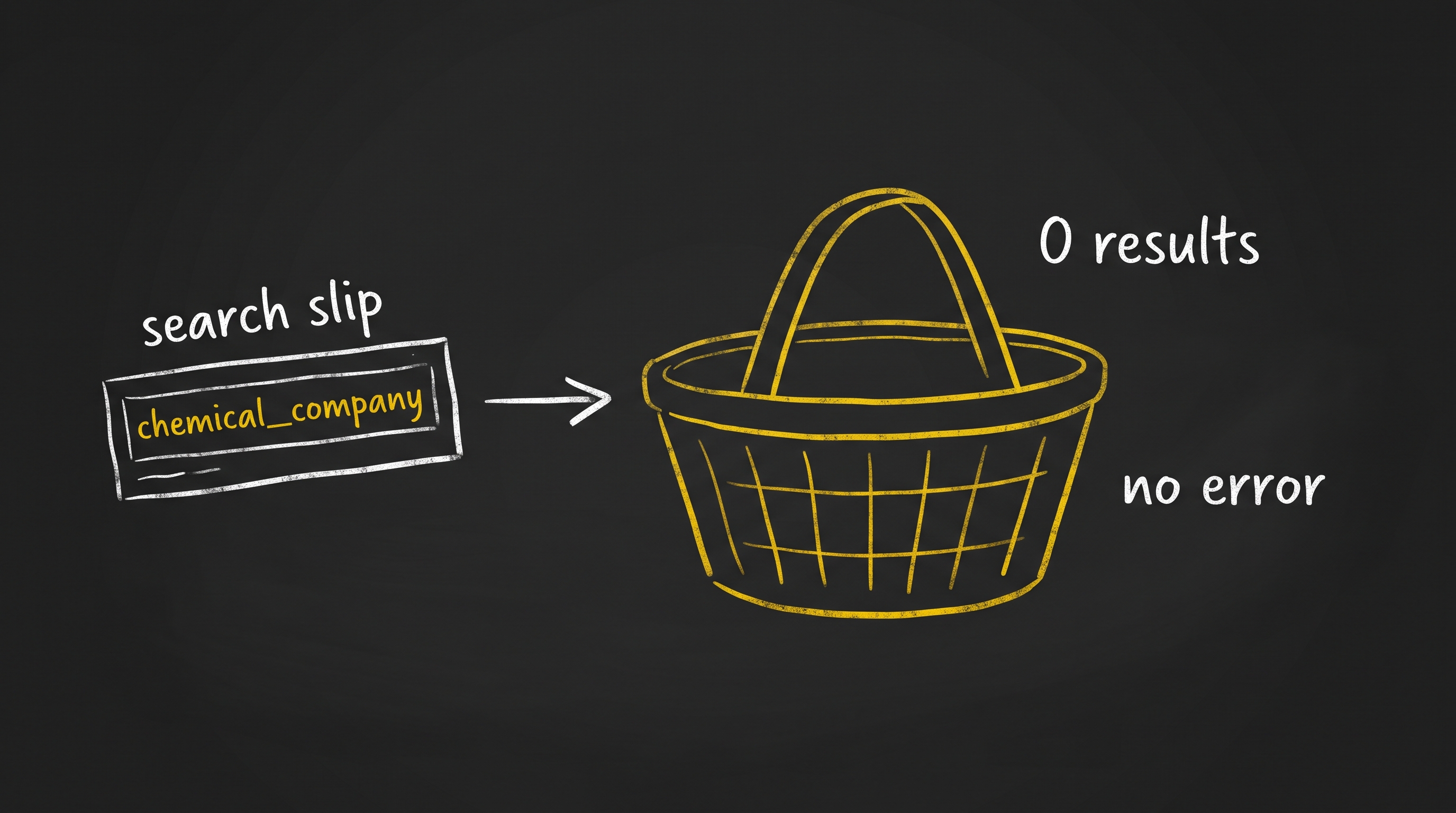
Five client relationships across seven languages, and the state of each one lives in Gmail, Calendar and Drive and nowhere else. Reconstructing a week costs me 20 to 40 minutes of scrolling, and what scrolling misses is the part that matters, because absence does not appear in a list: an unanswered thread, a stakeholder who quietly stopped accepting invites, a decision postponed rather than made. So the failure I care about is not a wrong summary. It is a confident one. This runs in two phases with a file between them: harvest reads Gmail, Calendar and Drive and writes harvest.json using Google's own field names, then reasoning runs over that file and reads nothing. Because the manifest exists before any thinking happens, a claim either resolves to a real record or it is treated as fabricated. Three scripts print PASS or FAIL with numbers. Building it against a real account taught me the tooling lies three ways, each returning success: a result count that said 201 for a true 35, an output flag that writes nothing while exiting zero, and unsent drafts whose ids are genuine. Guidance-only, so there is no backend and no API key to hand over.
Features5
Checks each claim against a record that provably exists. Unresolved means fabricated.
Reports a meeting with no notes as a fact with its own id, never as an all-clear.
Reads Google's owner-tagged action items: 44 of 44 across 5 real documents.
Scores escalation as a delta, not a level. Six signals never read body text.
Never replies, sends or files. Drops GDPR Art. 9 data at harvest.
Videos1 video
DemoCustomer Comms Reader · Demo video
Demo · SpiderMediaArticles about Customer Comms Reader2 articles
Gmail told me 201. The real number was 35.
 opvs.ai4 Aug 2026
Gmail told me 201. The real number was 35.
Gmail's own result count reported 201 for a true count of 35. The output flag exits 0 and writes nothing. An unsent draft passes attribution checking because its id is genuine. All three return success. Here is the skill I built around not trusting any of them.
Videos1 video
DemoCustomer Comms Reader · Demo video
Demo · SpiderMediaArticles about Customer Comms Reader2 articles
Showing all 2
SKILL.mdthe file your agent reads
SKILL.md loads when you open this tab.
What's new3 releases · newest first · from the package's CHANGELOG
v0.1.22026-11-09Latest
Marketplace listing update: added the launch explainer film (`media.demo_video_url`). No code, schema, copy or guidance changes; hero and screenshots unchanged from 0.1.1.
v0.1.12026-08-04
Marketplace card assets. No change to the skill's behaviour, guidance or scripts.

### Added
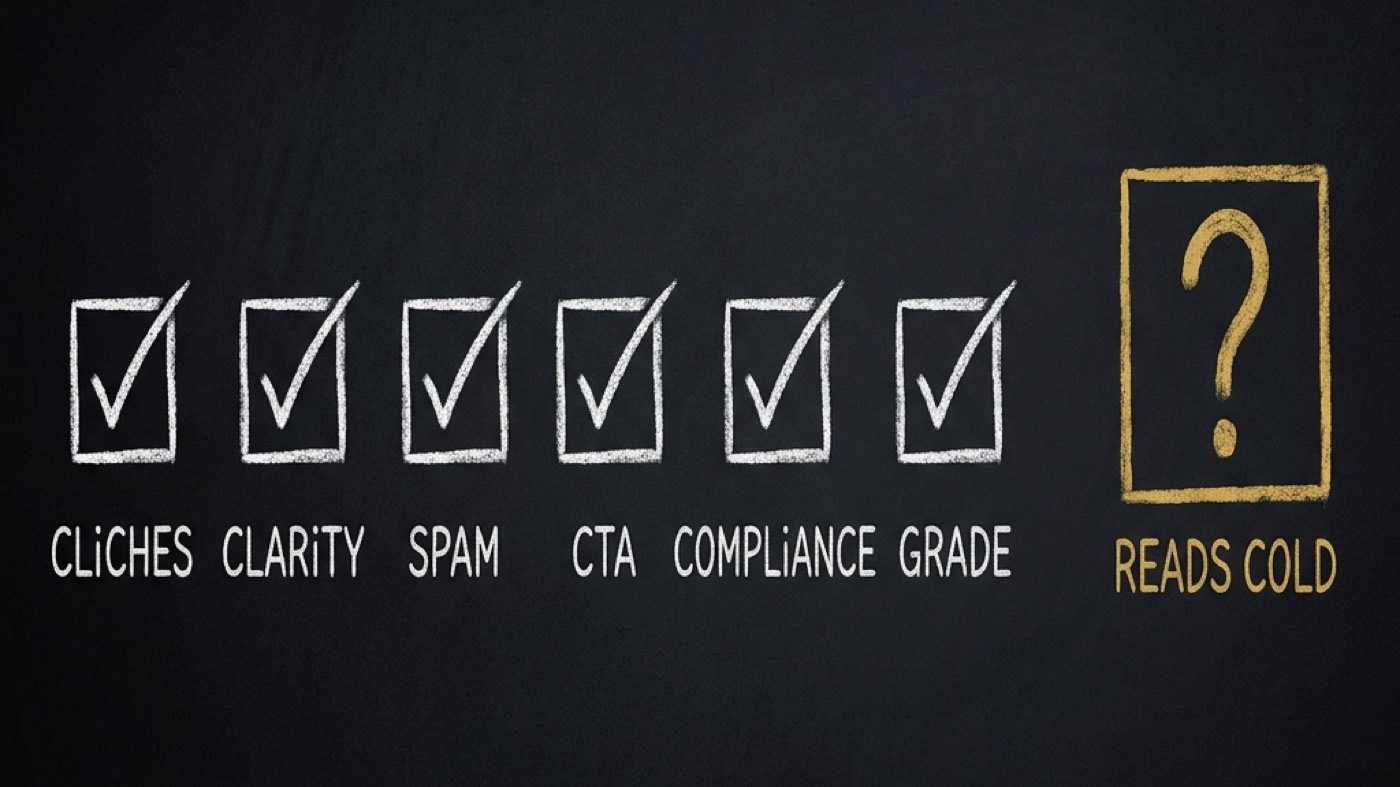
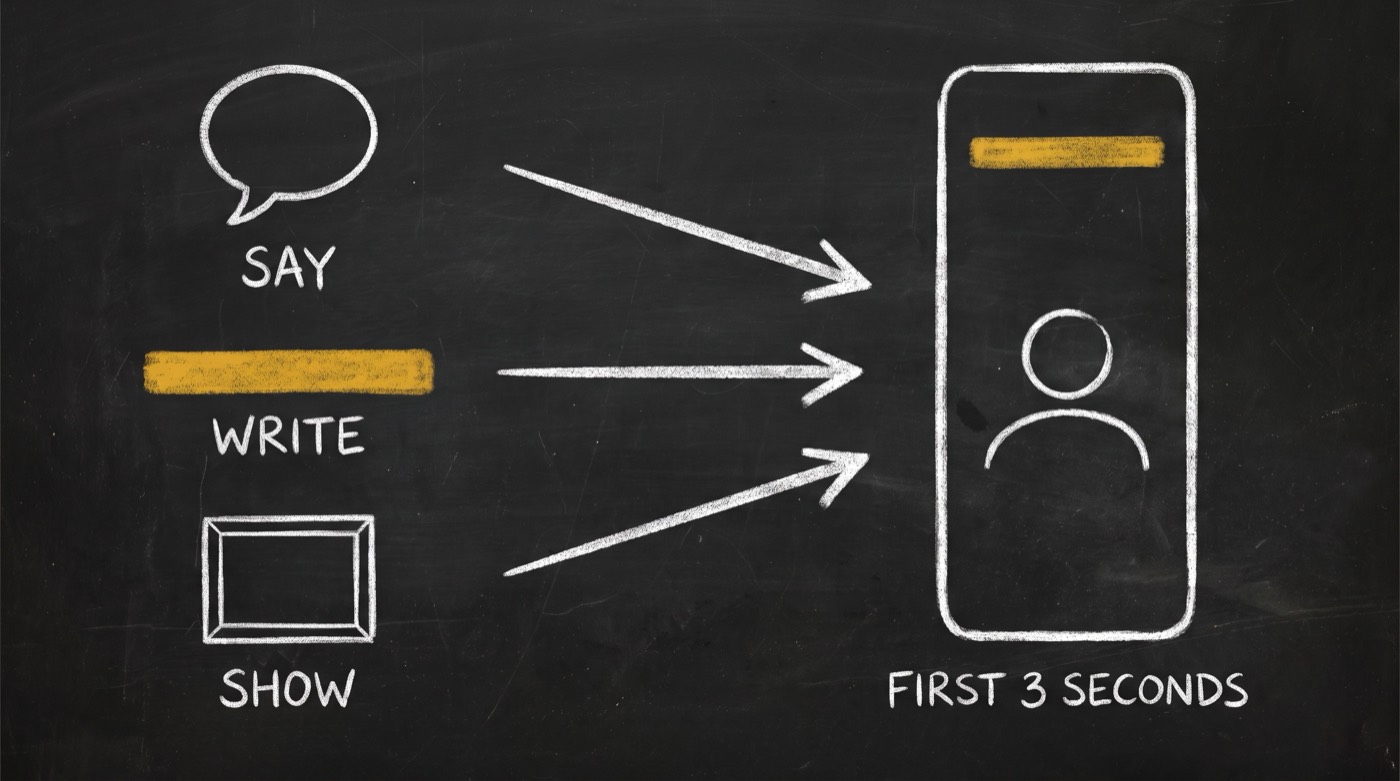
- `media.hero_image_url` and three `media.screenshots` — the concept loop (harvest → harvest.json → reason), the three silent tooling failures, and the four-rung ladder. Dark-board chalk house style, rendered at propagation and reused across the blog and the listing page.

### Changed
- `marketing.long_description` tightened from 317 to 199 words to meet the card spec.
- `marketing.features` descriptions cut to the 90-character card cap; substance and figures unchanged (44 of 44 owner-tagged, 201 versus a true 35).

---
v0.1.02026-08-04
First release. Guidance-only.

### Added

- **Two-phase harvest→reason architecture** with `harvest.json` as a fixed contract between them. The reasoning phase never learns where the data came from, which is what makes mechanical attribution possible at all.
- **`harvest.json` uses Google's own field names** — `internalDate`, `threadId`, `rfc822MessageId`, `responseStatus`, `lastModifyingUser`, `mimeType`. Deliberate: a future mechanism swap becomes a backend change with zero consumer-visible schema churn.
- **5 recipes** — `harvest-then-analyze` (the substrate every other one loads), `weekly-client-readout`, `unanswered-and-overdue`, `meeting-decisions-and-actions`, `relationship-drift-check`.
- **4 references** — `mechanism-gws`, `mime-and-attachments`, `attribution-discipline`, `pii-and-gdpr`.
- **15 registry items** — 4 harvest maps, 6 output schemas, 5 scoring rubrics. Every item carries a live provenance URL.
- **6 learnings**, three of them threshold defences for the enforcement scripts.
- **3 enforcement scripts** that print PASS/FAIL with numbers: `verify-time-window.mjs`, `verify-attribution.mjs`, `lint-pii-exposure.mjs`. All three read `harvest.json` + `extract.json` only, so they're mechanism-independent by construction.
- **Gemini-notes-first ladder** — parse Google's structured Meet notes rather than re-extracting from raw transcripts, degrading through meeting-notes doc → follow-up email → calendar metadata. Each rung records which tier it used.
- **Availability chain, not a cutover** — the harvest adapter is selected at runtime; if no mechanism is available the skill says so plainly rather than producing a thinner answer that looks complete.
- **Coordination cross-references** to `@opvs-ai/agentboard` (run state), `@opvs-ai/agentdocs` (weekly extracts), `@opvs-ai/agentmemory` (drift baselines). `opvs-protocol` deliberately unused.

### Known limitations

- **Single-account.** Reads one authenticated Google Workspace user. Multi-tenant harvesting is out of scope for 0.1.
- **Escalation lexicon is English only.** Structural drift signals (RSVP shift, reply-length collapse, latency vs baseline, new CC on a 1:1) carry the load on non-English threads; the lexicon only raises confidence and is never the sole gate.
- **Drift needs a prior baseline.** A first run against a new client produces structural flags only and says the sentiment delta is unavailable — it does not report "no drift."
- **Action-item recall is ~77%** against the published benchmark for this task class. Roughly one item in four is missed, and every extract states that rather than implying completeness.
- **Client identity is caller-supplied.** The skill takes addresses and domains per call; it does not own a client roster. One client routinely spans several domains, and resolving that is the caller's job.
Showing all 3