Case Studies
Turn a finished client engagement into a publishable, client-approved, compliance-safe customer story. Owns the 6-part narrative arc, mandatory metric provenance (every number sourced), the compliance framing (REACH/CLP/biocides — no conferred-status claims), and a human-owned two-gate approval workflow (release BEFORE the interview; approval BEFORE publish) on a provisioned board. Composes copy-engine (sentences), voice-builder (customer register), explainer-illustrations (before/after diagrams), section-designer (library layout), and @spideriq/publish-skills (publish + PDF + gated form). Guidance-only: the agent's own LLM runs the workflow following SKILL.md + 7 recipes; state persists via the OPVS coordination skills. Multilingual EN/DE/HE/RU/RO/FR/ES, compliance-aware. Backed by 25 metric-bearing real exemplars + 2 operational templates + 20 learnings + 6 enforcement scripts.
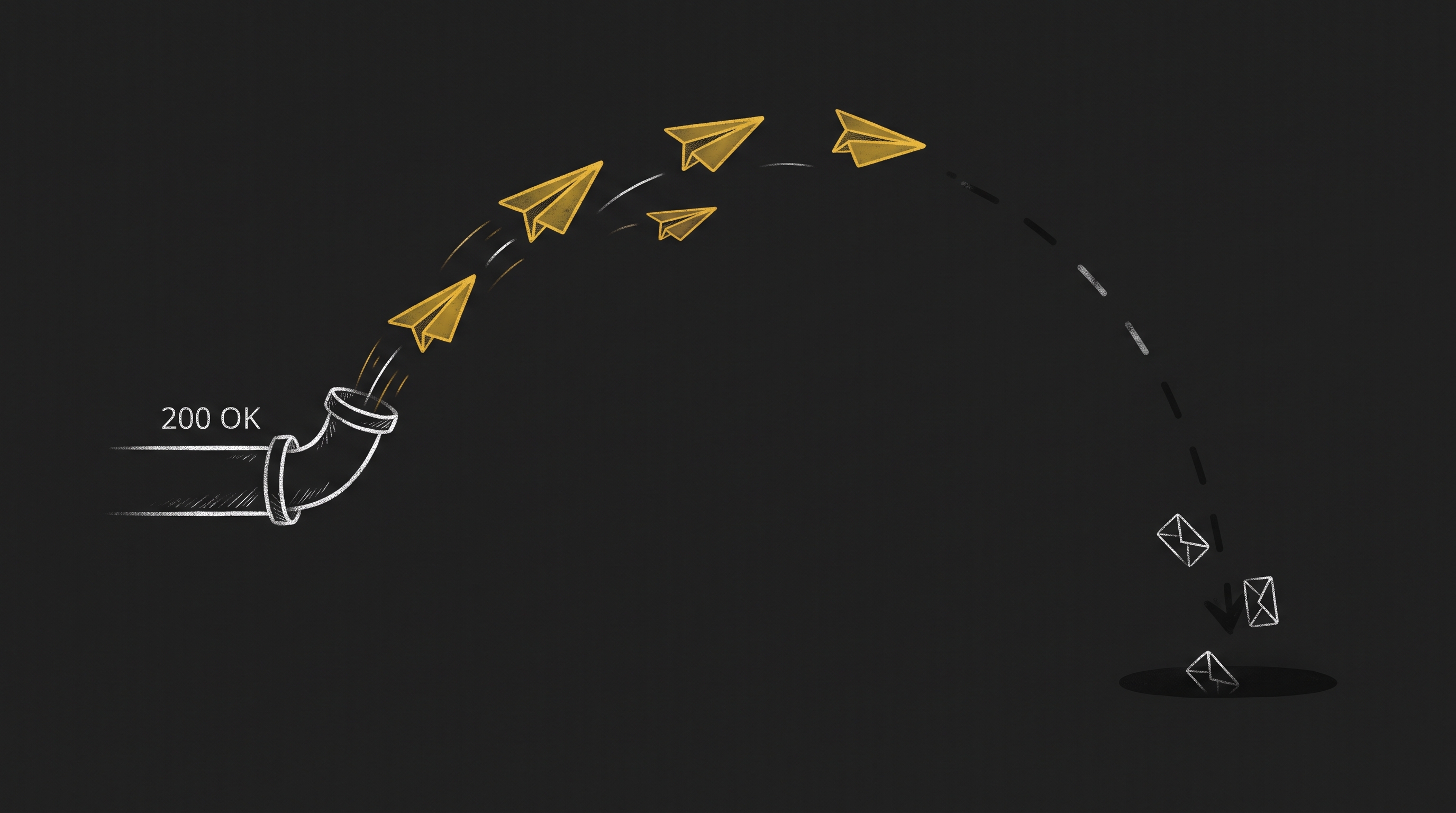
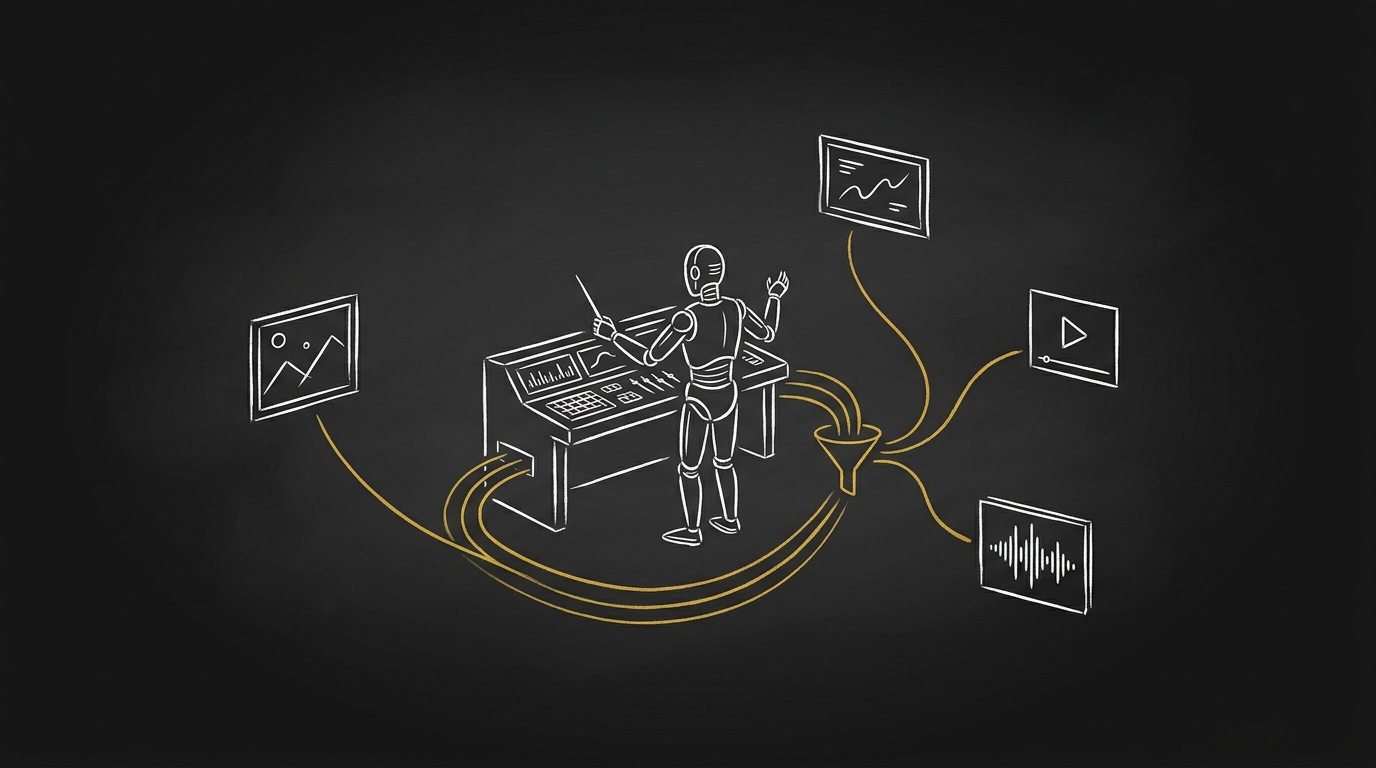
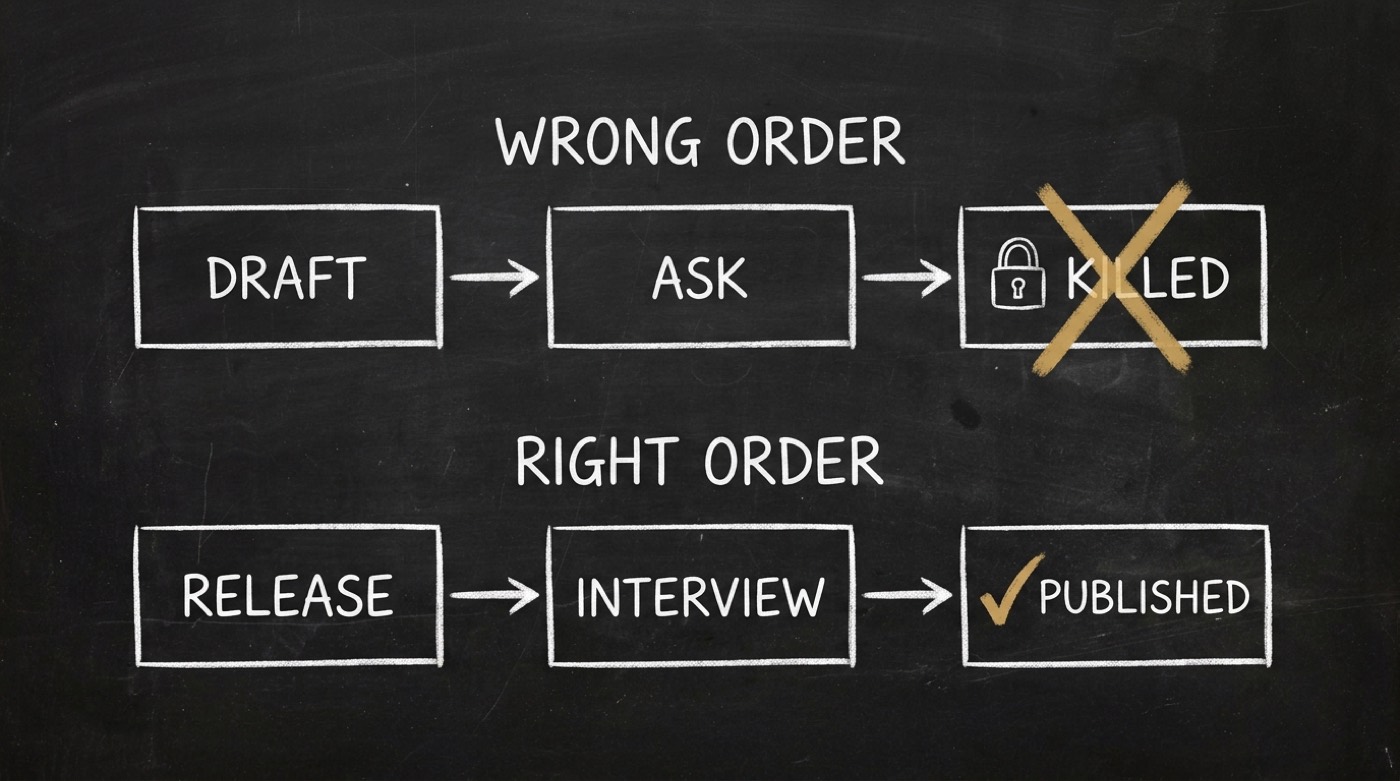
I had real wins — ONYX, Pamit, GUNGUARD, VayaPin — and no repeatable way to turn one into a proof asset I could actually publish. Every attempt was a bespoke negotiation: which numbers can I say, who signs off, what happens when the client edits the headline after approving it. So the strongest evidence the agency owns stayed buried in meeting transcripts. case-studies is the fix, and it does nothing on its own — it decides and composes. It owns the shape of a customer story and the discipline around it: a 6-part arc a script checks for completeness, metric provenance a script checks number by number, compliance framing that never claims a status a regulator confers, and a human-owned approval gate the skill reads but can never write. copy-engine writes the sentences, voice-builder carries the customer's register, explainer-illustrations plans the before/after diagrams, section-designer lays out the library, and @spideriq/publish-skills ships it — page, PDF, and gated form. Two rounds of research taught it the non-obvious parts. Secure the legal release before the interview, not after the draft, or a story dies at month six with all the cost sunk. Include the bumps, because a case study that reads as frictionless reads as fake. And never invent a baseline you didn't measure — the honest answer is sometimes "we can't publish a result for this one; here's what to instrument going forward." Backed by 25 real, sourced exemplars, two ask-and-release templates, 20 learnings, and 6 scripts that print PASS/FAIL with numbers the agent can't fudge.
Features5
Situation, Challenge, Intervention, Result, Lessons, CTA — plus the two beats everyone drops: what they tried before, and the bumps along the way. A frictionless story reads as fabricated.
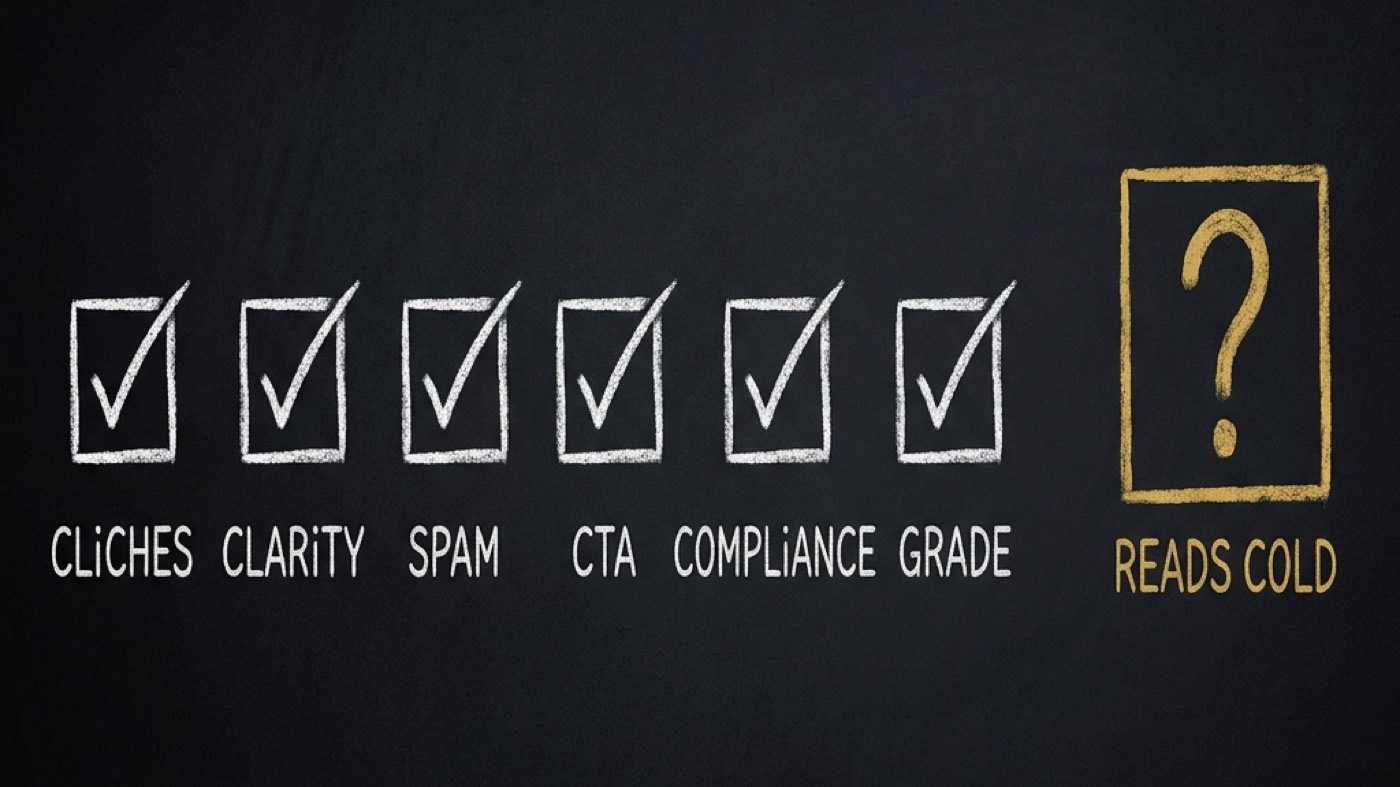
No claim ships without an inline cite, and a percentage over 100% must show its baseline. 'Leads up 1,200%' fails; 'up 1,200% (3 → 39/month)' passes — and reads more honest.
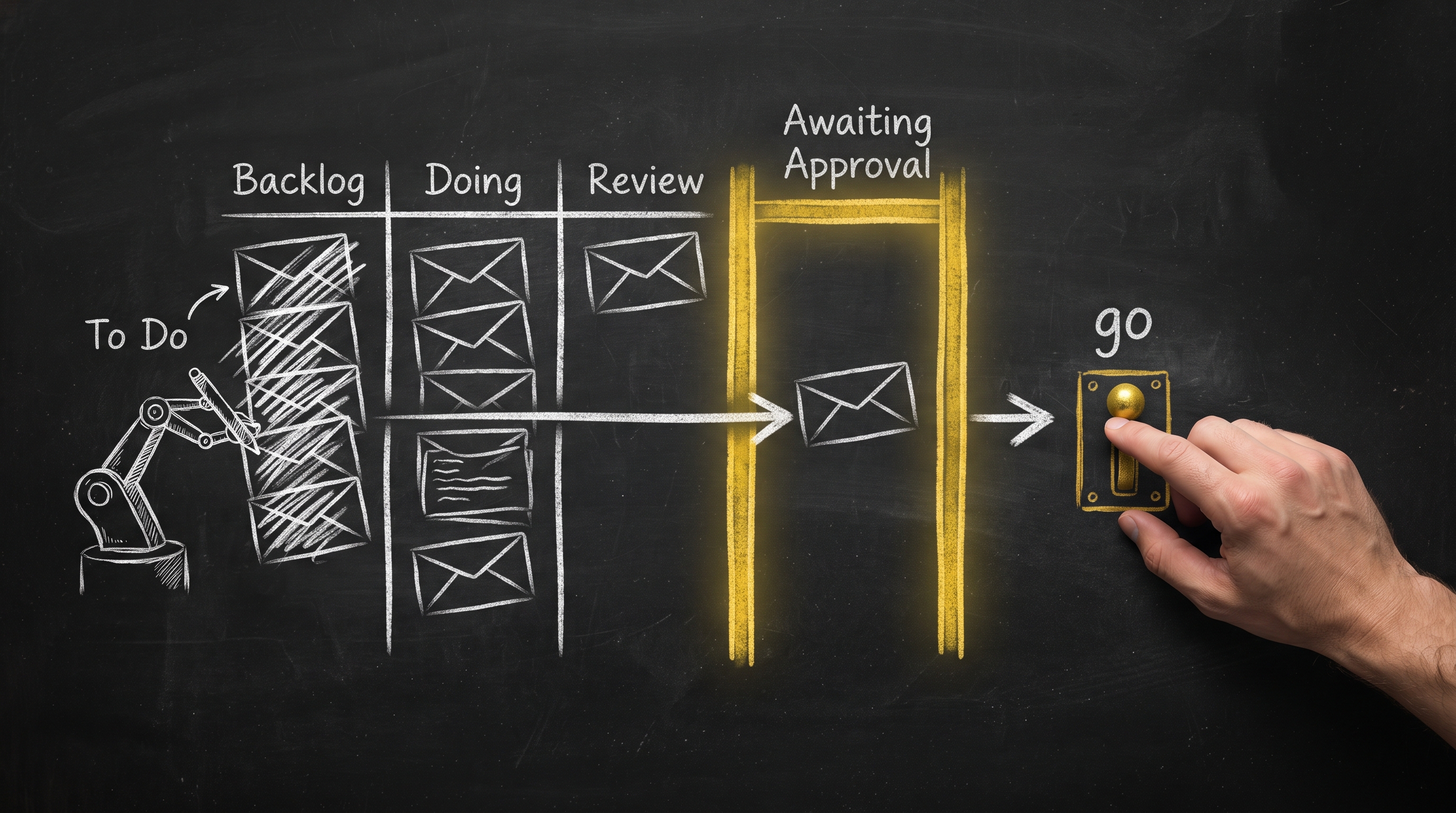
Release is secured BEFORE the interview; two sign-offs (internal, then customer) before publish. The skill reads that gate — it never writes its own approval.
For regulated work it writes 'supported the REACH dossier', never 'made them compliant'. Absolutes lose their footing inside a document full of measured claims.
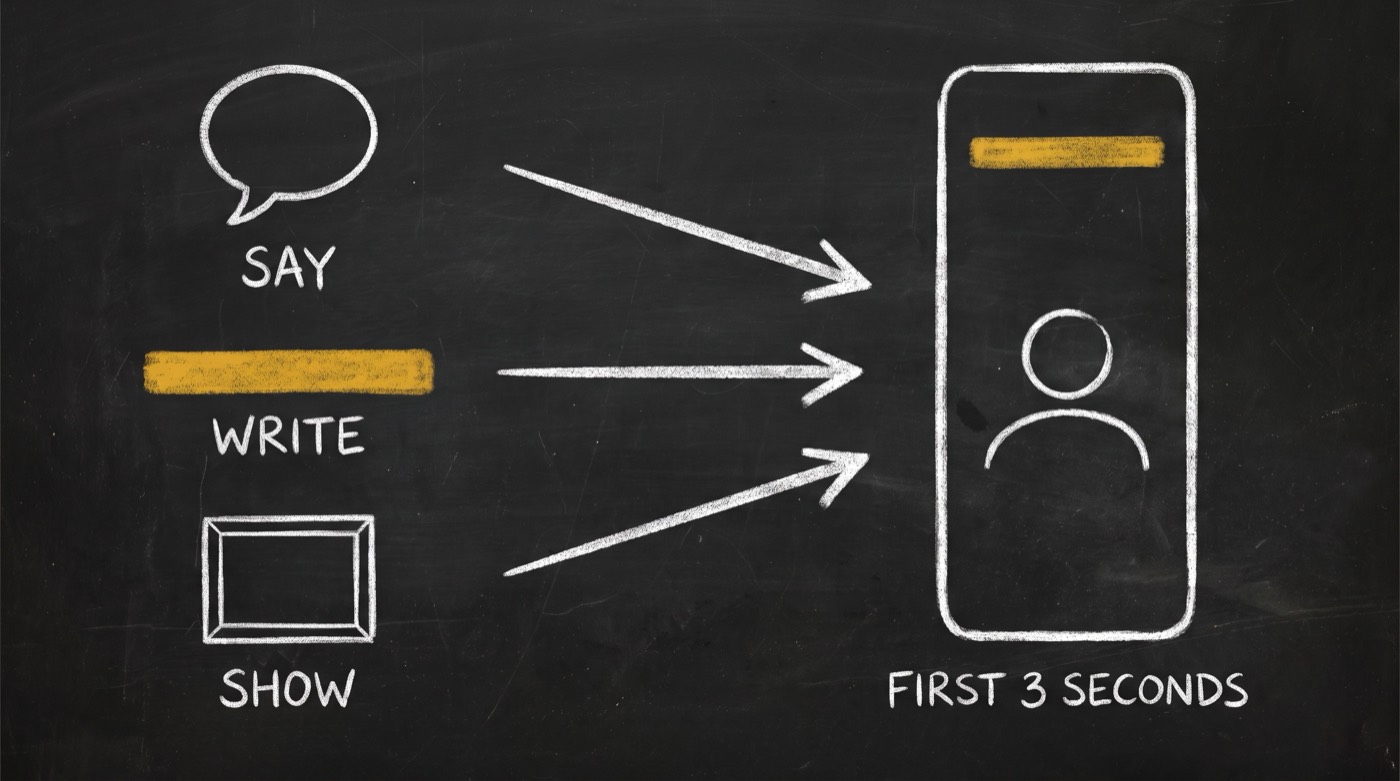
The deep page for skeptical buyers, the one-sheet for the sales team, the ad cut for social. Publishing once is the single biggest waste — atomize from the start.
Videos1 video
DemoCase Studies · Demo video
Demo · SpiderMediaArticles about Case Studies2 articles
I wrote up my best client win. Then legal killed it.
 opvs.ai23 Jul 2026
I wrote up my best client win. Then legal killed it.
A year ago I wrote up my best client win, then asked for sign-off, and legal killed it — months of proof sunk one signature short. Here's the fix I built into a skill: get the release before the interview, source every number, and let the client hold the pen.
Videos1 video
DemoCase Studies · Demo video
Demo · SpiderMediaArticles about Case Studies2 articles
Showing all 2
SKILL.mdthe file your agent reads
SKILL.md loads when you open this tab.
What's new3 releases · newest first · from the package's CHANGELOG
v0.1.22026-11-03Latest
Launch film patch. No behavior change.

### Added
- **Launch film** (`media.demo_video_url`): captioned 49s chalkboard explainer film hosted on SpiderMedia.
v0.1.12026-07-23
Propagation asset kit. No behavior change.

### Added
- **Marketplace card media** (`media.hero_image_url` + 3 `media.screenshots`): a dark-board chalk
  explainer set — the wrong-order/right-order of securing the release (hero), the 6-part arc, metric
  provenance, and the guidance-only composition. Rendered via SpiderGate, hosted on SpiderMedia.
v0.1.02026-07-23
First ship. Guidance-only orchestrator for the full customer-story lifecycle.

### Added
- **6-part narrative arc** (Situation · Challenge · Intervention · Result · Lessons · CTA) with two
  script-enforced sub-beats — `prior-solutions` (what they tried that failed) and `friction` (the bumps).
- **Two-gate approval workflow**: release secured BEFORE the interview, two sign-offs (internal, then
  customer) BEFORE publish. The skill reads the gate; it never writes its own approval.
- **Metric provenance discipline**: every number carries an inline `[source: …]` cite; a percentage over
  100% must show its absolute baseline; a missing baseline is a hard-stop, never an invented number.
- **Compliance framing** for regulated verticals (REACH/CLP/biocides/SDS/GHS): contribution not conferred
  status; the `100%`/absolutes blocklist tests enumerability, not the token.
- **Format-gated length**: teaser 250–600 · standard 600–1500 (default) · deep 1500–3000 (needs a reason).
- 7 recipes · 7 references · 27 registry items (25 sourced exemplars + ask-script + release-request email)
  · 20 learnings · 6 enforcement scripts · AGENTS.md + DEPLOYMENT.md.
- Board-provisioning of the case-studies workflow board (advise → confirm → create; human-owned gates).

### Research
- Two rounds: public web (32 exemplars, 6 gold-nuggets, legal/FTC substantiation) + a social practitioner
  corpus (Cattoni 9-step, Joel Klettke / Case Study Buddy, HubSpot Hacks, Edify; Reddit; LinkedIn Ad Library).
  The social round corrected the approval order, the percentage-baseline rule, the arc (2 missing beats), and
  the absolutes blocklist.
Showing all 3