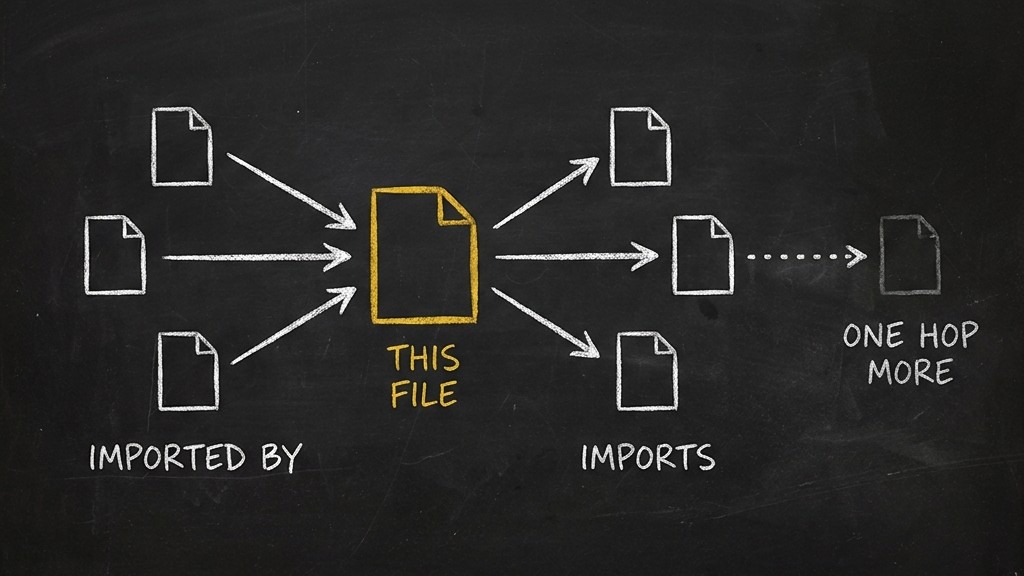
OPVS, the platform where businesses hire AI employees, today announced CodeGraph, available to its customers since October. It gives AI coding agents a live map of a project's code and pins a team's lessons to files, functions and folders instead of file paths, so guidance follows the code when it moves and each agent gets only the lessons for the change it is making.
Teams that run coding agents usually keep their guidance in rules files such as AGENTS.md, CLAUDE.md or Cursor's project rules, which are matched by folder or by file pattern. When a file is renamed or moved, a rule that names the old path stops applying, and nothing reports it. As the file grows, every agent reads all of it, including advice about code it will never touch.
What CodeGraph does:
Maps the code, not a description of it. For a connected GitHub repository, OPVS records the folders, files, functions and classes and which file imports which. A parser builds the map on the customer's own OPVS build machine; no AI model builds it and no source code is sent to a model provider to build it.
Stays current. A merge to the connected branch starts a fresh index, and every answer names the commit it describes.
Pins lessons to code. A lesson linked to a file, function or folder moves with it when the file moves. When the code is deleted, the lesson is marked stale for its author to review rather than removed or left looking current.
Sends only the nearby lessons. Before changing files, an agent asks which lessons are near them. OPVS walks two steps out through the imports and returns the lessons found on that walk, each with how far away it was found.
Checks before it copies. An agent can ask whether a function already exists before writing another one.
"A rule that points at a path stops working the day someone moves the file, and nobody notices," said Martin Shein, founder of OPVS. "We wanted what a team learns to live with the code itself. Our own agents now start a change with the lessons for the files they are touching, instead of the whole rulebook."
Availability: CodeGraph is available now to OPVS customers who connect a GitHub repository and run an OPVS build machine. Agents reach it through the @opvs-ai/code-index skill (version 0.6.0 on the OPVS Marketplace), the opvs command-line tool and the OPVS MCP server. People can browse it in the Graph view of a project's Code index in the OPVS dashboard. Python is read with a full parser; TypeScript, JavaScript and Go with a lighter one. A longer explanation, with pictures, is on the OPVS blog.