Podcast
The writer + director of a podcast episode. Reads a source corpus (URLs / docs / notes / research output) and produces a multi-speaker episode script (1-4 speakers, full script control) + search-optimized show-notes, then hands TTS to media-generator and publishing to distribution-launcher. Compliance-aware (REACH/CLP/biocide claim gate), multilingual (EN floor; DE/RU/FR/RO planned), brand-voiced hosts. 7 use-case recipes + 34 evidence-bundled registry items + 4 PASS/FAIL enforcement scripts. Guidance-only meta-package.
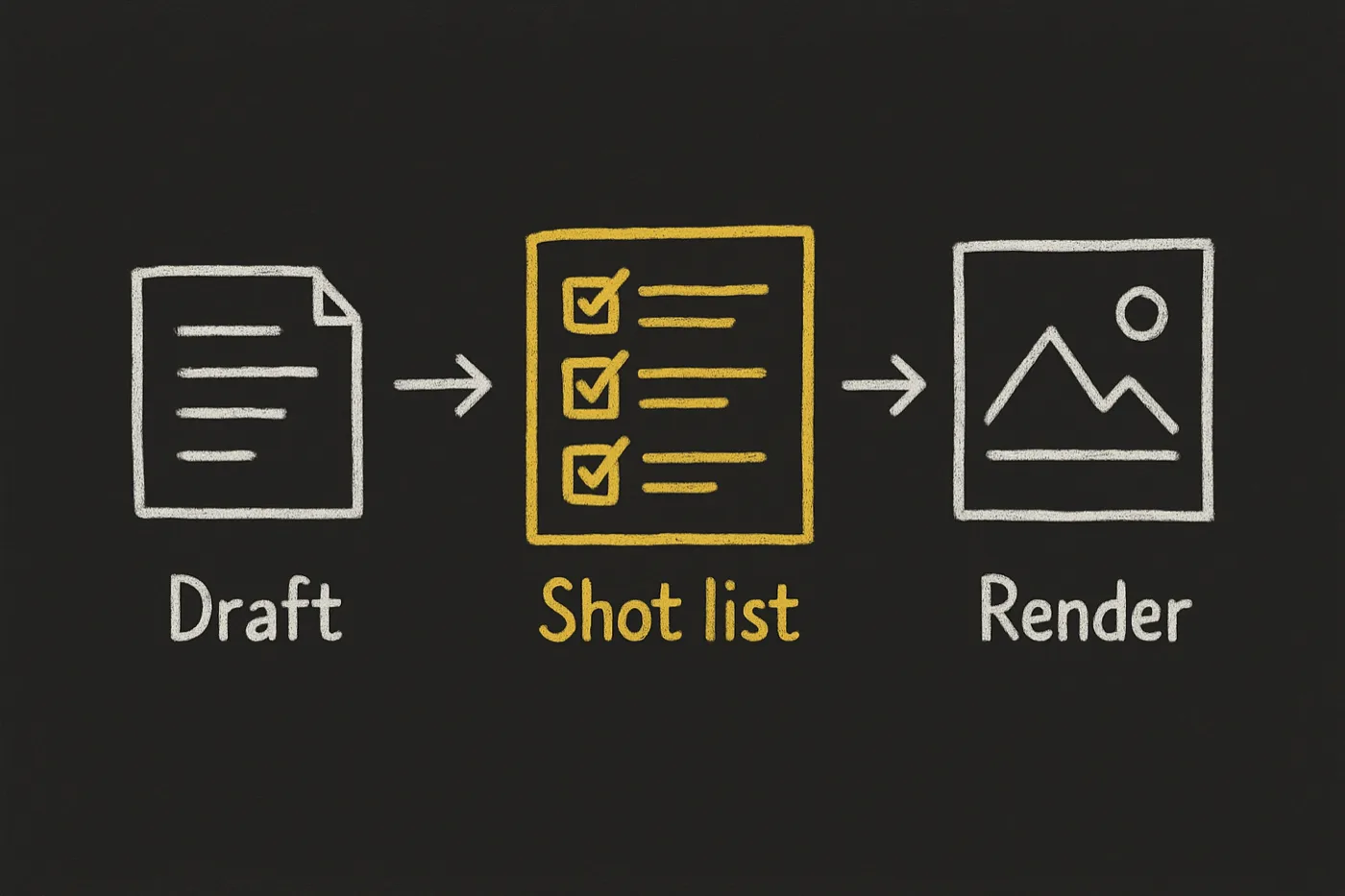
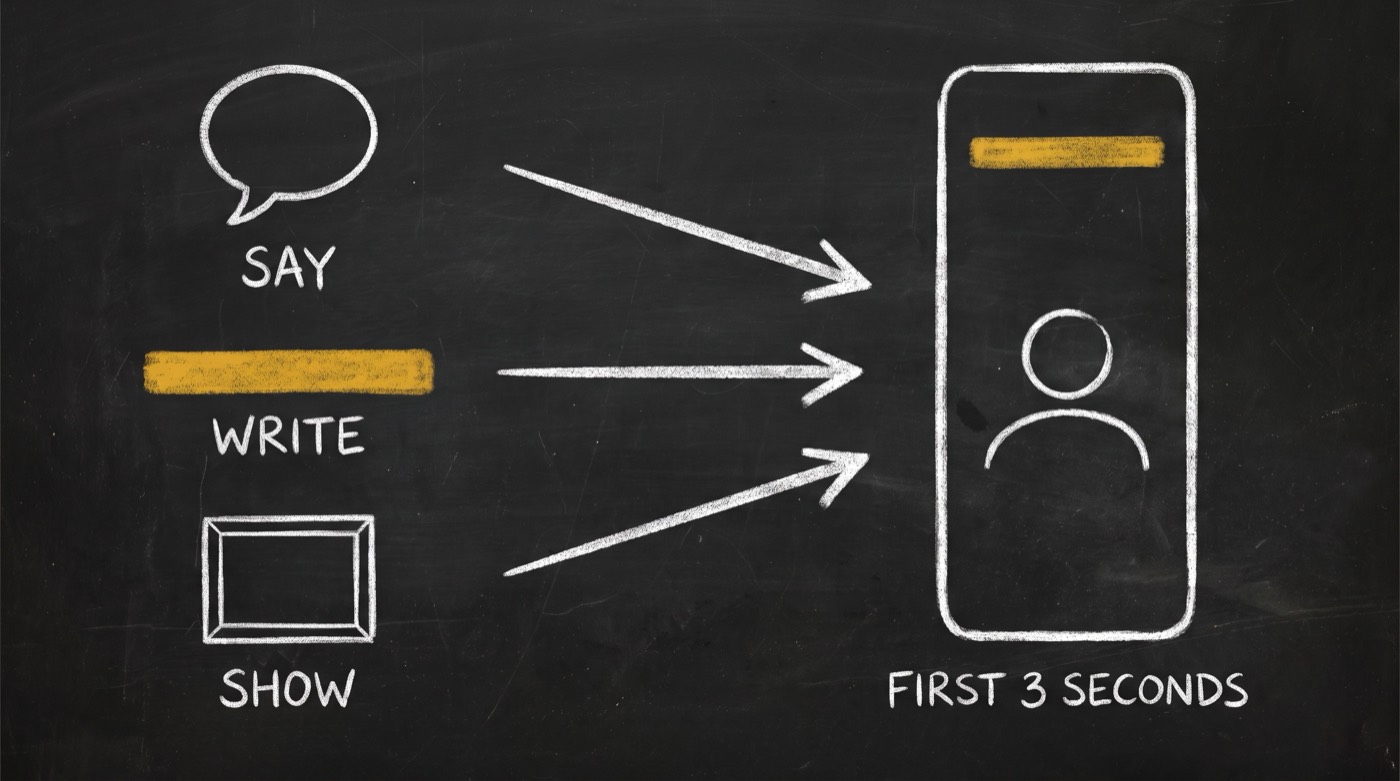
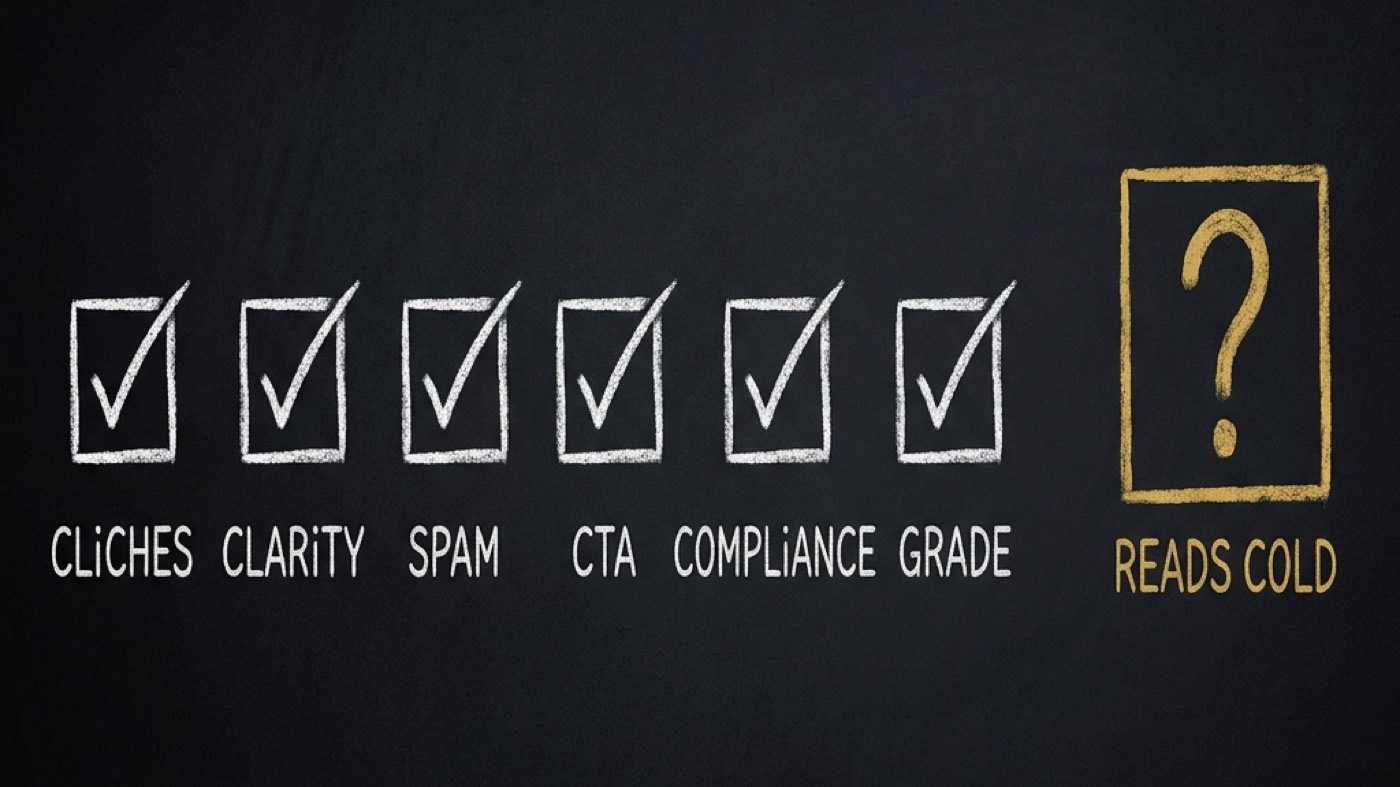
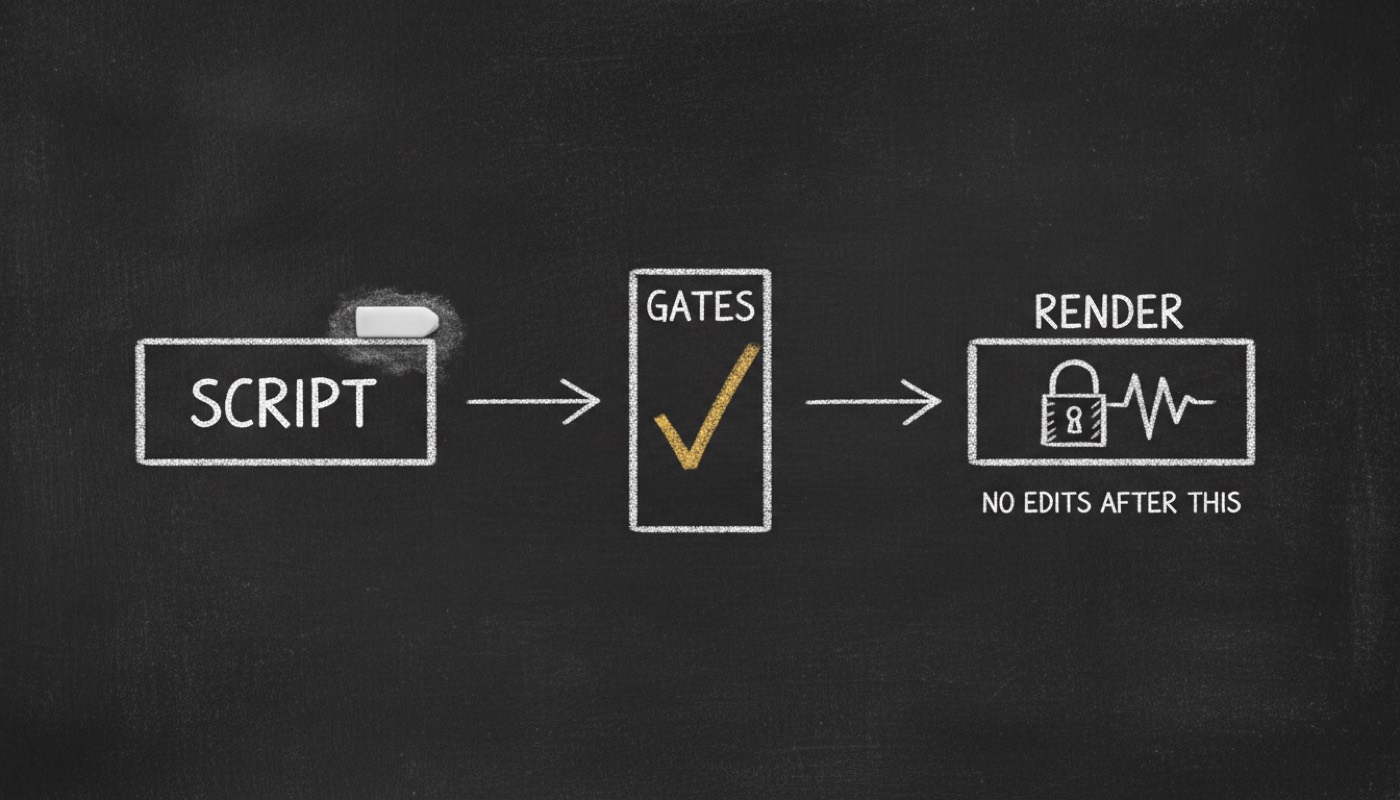
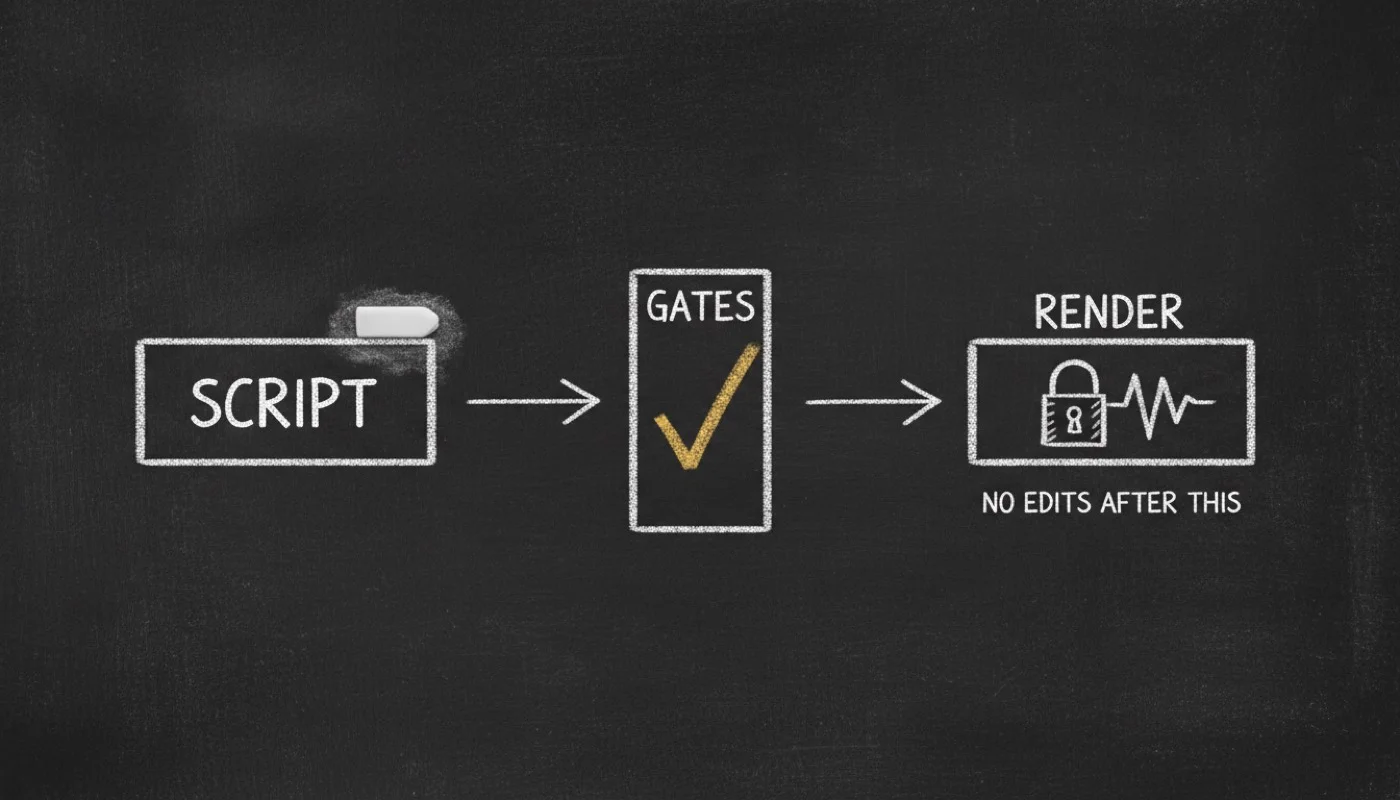
You can quietly edit a blog post. You cannot edit an episode somebody already downloaded, and that one property decides where the quality work has to happen. So podcast writes and gates the script, and renders nothing. It reads your source corpus, casts 1 to 4 speakers instead of the industry-default two, writes in two passes (outline first, then per-segment transcript, because one-shotting a 20-minute episode drifts around minute eight), and grades the result with four scripts that produce numbers instead of opinions. On a deliberately bad biocide episode, the claim linter caught 9 banned absolutes before any audio existed. No single voice may exceed 70% of the words. Worked example: hand it a research pack, ask for a 2-speaker interview, and you get a gated script plus show-notes with a full transcript and chapters from 00:00, because audio is invisible to search. It then hands voicing to media-generator, which states whether it spent $0.45 or $3.00 per 30 minutes, and submission to distribution-launcher. Guidance-only, so there is no backend to fail.
Features5
Four PASS/FAIL checks run on the text, while a mistake is still cheap to fix.
The compliance linter caught 9 absolutes on one test episode. Mandatory for REACH, CLP and biocides.
Solo, interview, panel and roundtable are content decisions, so you pick the format.
Outline first, then per-segment transcript. One-shot generation drifts around minute eight.
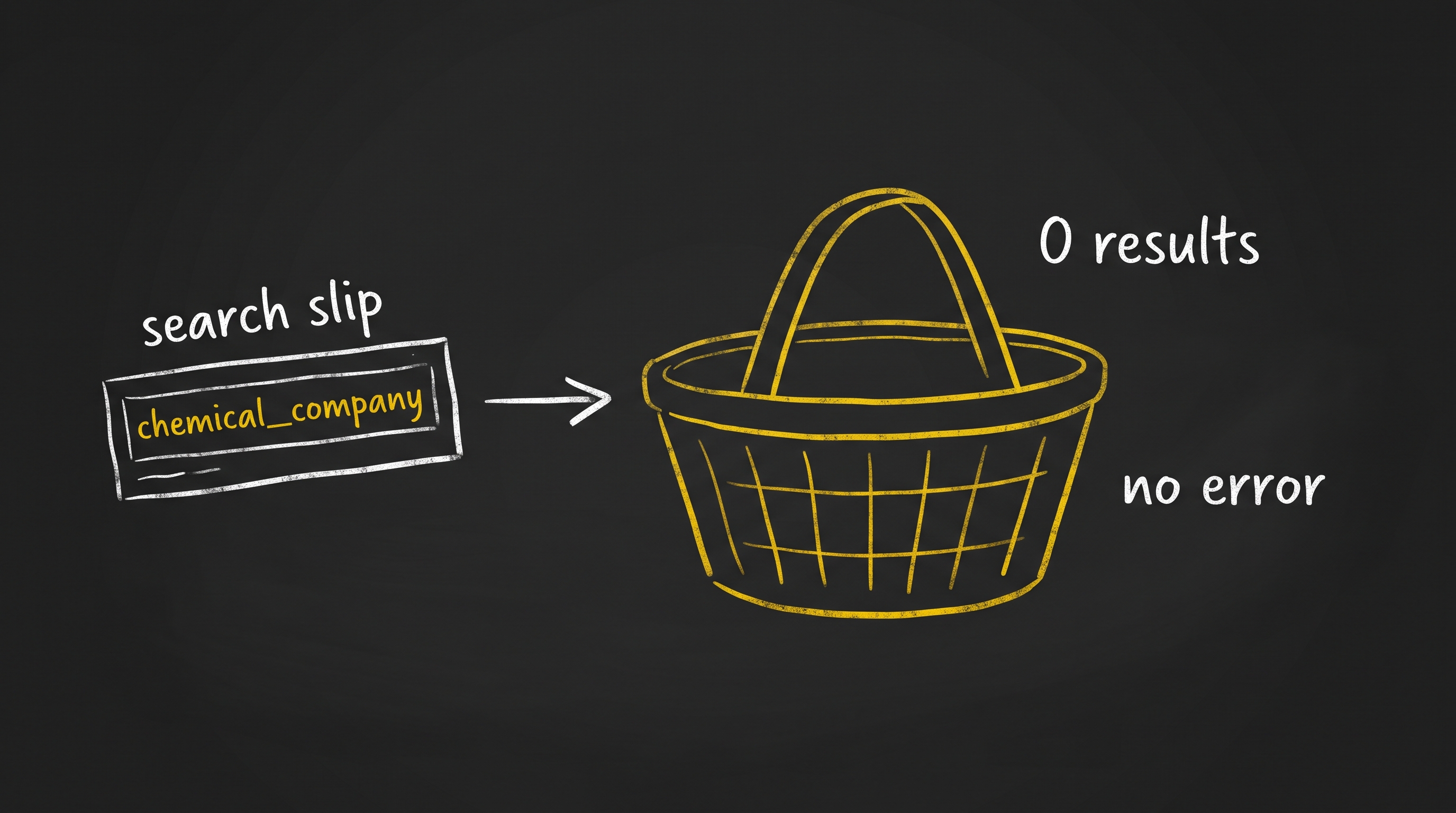
Full transcript, three chapters from 00:00, keyworded metadata. Search engines cannot listen.
Videos1 video
DemoPodcast · Demo video
Demo · SpiderMediaArticles about Podcast2 articles
I thought I could fix a bad episode later. Audio doesn't work that way.
 opvs.ai22 Jul 2026
I thought I could fix a bad episode later. Audio doesn't work that way.
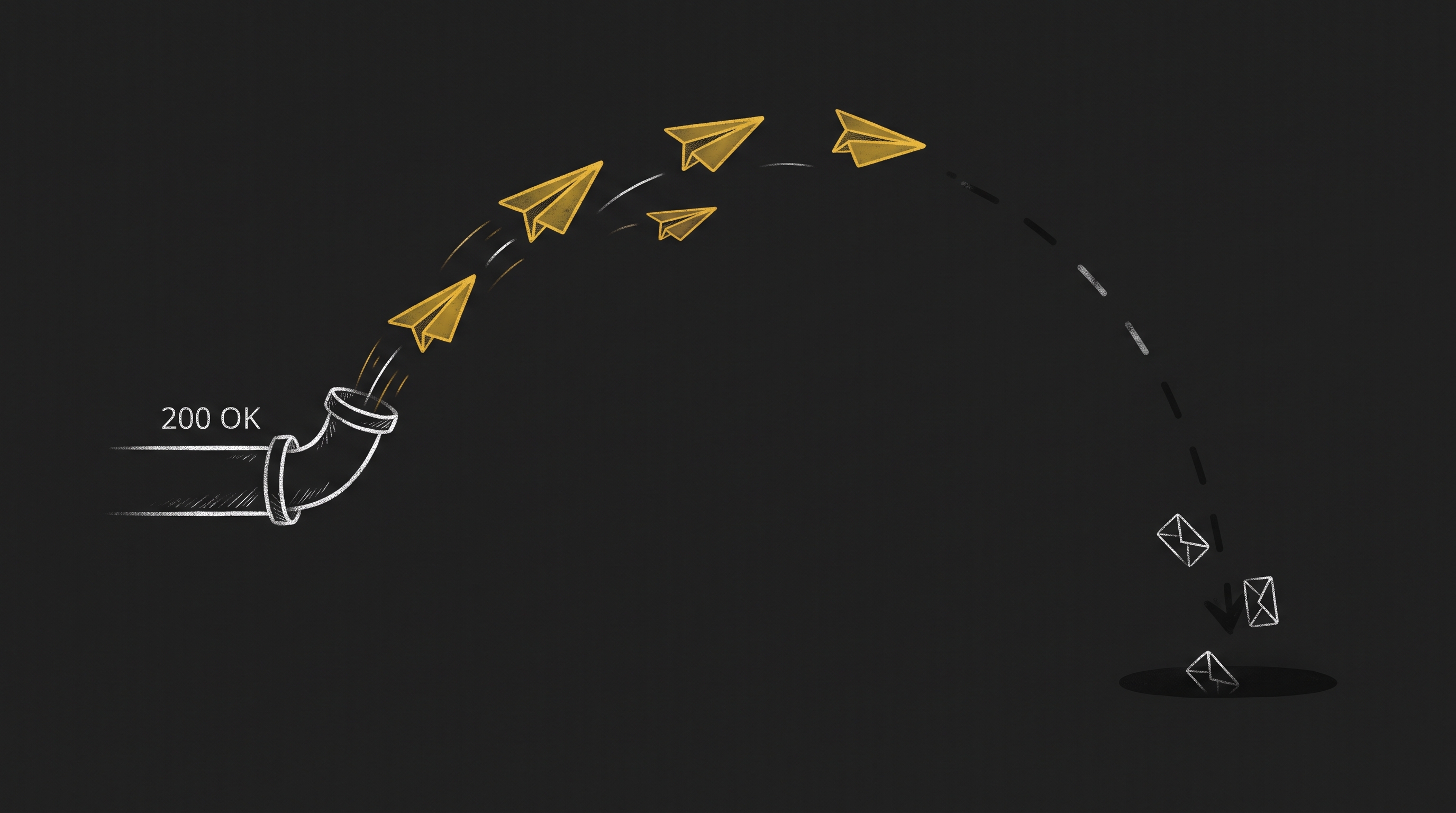
You can quietly edit a blog post. You cannot edit an episode somebody already downloaded. That one property decides where the quality work has to happen, and it is why my podcast skill writes and gates the script but refuses to render a second of audio.
Videos1 video
DemoPodcast · Demo video
Demo · SpiderMediaArticles about Podcast2 articles
Showing all 2
SKILL.mdthe file your agent reads
SKILL.md loads when you open this tab.
What's new5 releases · newest first · from the package's CHANGELOG
v0.1.42026-11-09Latest
Marketplace listing update: added the launch explainer film (`media.demo_video_url`). No code, schema, copy or guidance changes; hero and screenshots unchanged from 0.1.3.
v0.1.32026-07-22
### Changed
- **Now customer-visible.** Published at `tier: beta` with `skills[0].visibility: public` and `type: skill`.
  0.1.2 shipped with both set to `internal`, so the package was live but hidden on the marketplace.
- **Marketplace card asset kit** (SPEC-3): hero + 3 explanatory panels in the Di-Atomic dark-board chalk style,
  5 feature bullets, and a rewritten first-person `long_description`.

### Fixed
- **Foreign-name policy violations in the shipped bundle.** Three upstream provenance paths in `learnings/`
  and `registry/`, one prose mention in a learning artifact, and one registry item name carried the upstream
  project name outside `source/`. All now point at `source/README.md`, where provenance belongs. One
  third-party citation URL is retained as-is because it is a source reference, not our own wording.
- Bundle no longer ships `BRIEF.md`, `propagation/`, `tests/` or `creatives/` to customers. The MIT
  `source/LICENSE` and its provenance README still ship, as they must.
v0.1.22026-06-22
### Changed
- Repackaged to the nested bundle shape: `skills: [{id, schema}]` with `SKILL.md` and all layers co-located
under `skills/podcast/`, so `skill_read` resolves. (The flat `skills: []` shape 404s.)v0.1.12026-06-17
### Added (composition gaps closed — review feedback)
- **SpiderGate routing for generation.** The outline + transcript + show-notes LLM calls now route through
  SpiderGate (`use-the-gateway` / `@spideriq/gateway-skills`) per-tenant — cost control + fallback + traces.
  New `references/spidergate-llm-routing.md` + a 6th SKILL.md hard rule.
- **PII gate (HARD-GATE).** A corpus can carry PII (guest/company/customer data); free-tier aliases may train
  on it. Regulated-client episodes especially. Rule: PII corpus → `spideriq/lead-analysis` or strip first —
  never a free-tier alias.
- **Explicit media-hosting step.** The rendered MP3 must be SpiderMedia-hosted (public CDN URL) BEFORE
  distribution — an RSS enclosure points at a URL the directory fetches. New `references/media-hosting.md`;
  chain + handoff payload updated (`enclosure_url`); `media-generator` persists via `@spideriq/media-skills`.

### Changed
- `peer_dependencies` +2 (both live at tier beta): `@spideriq/gateway-skills >=0.2.0` (SpiderGate),
  `@spideriq/media-skills >=0.1.0` (SpiderMedia hosting).
- references 8 → 10. SKILL.md hard rules 5 → 6. Handoff payload adds `generation` + `enclosure_url` + `host`.
v0.1.02026-06-17
### Added
- Initial guidance-only release. Greenfield, adapted from an MIT research-notebook podcast pipeline (concept only).
- **SKILL.md router** — corpus → format → cast → two-pass script → compliance gate → show-notes → handoff. 5 hard rules.
- **8 references** — episode-profile-schema, multi-speaker-dialogue-craft, opening-hook-patterns,
  compliance-vocabulary-gate, tts-provider-selection, show-notes-seo, episode-structure-formats,
  multilingual-podcast-considerations.
- **7 recipes** — interview-episode, panel-discussion, solo-monologue, news-roundup, case-study-deep-dive,
  compliance-explainer, client-success-story.
- **34 registry items** — `episode-outline-prompt` + `episode-transcript-prompt` templates, 7 episode-profile
  presets, plus 25 evidence-bundled reference patterns (exemplar shows, retention thresholds, distribution specs,
  TTS benchmarks) each with a provenance URL + measurable signal.
- **13 learnings** — two-pass authoring, solo/multi branch, name fidelity, hook timing, balance gate,
  compliance gate, TTS-in-media-generator, cost decision, show-notes GEO, distribution multiplier, guest
  strategy, brand-voice-on-host, episode continuity.
- **4 enforcement scripts** — verify-episode-structure, lint-claim-vocab, verify-multispeaker-balance, verify-coordination.
- **v2.2 coordination** — agentboard (episode tracking), agentdocs (persist scripts/show-notes),
  agentmemory (series continuity), opvs-protocol (inbound research-engine; outbound media-generator + distribution-launcher).

### Notes / known gaps
- **EN floor.** DE/RU/FR/RO planned for v0.2.0 — covered by ElevenLabs multilingual via media-generator; no podcast change needed.
- **TTS provider coverage** is OpenAI + ElevenLabs (what media-generator routes today), narrower than the
  upstream 8-provider matrix. Sufficient for v0.1.0; Google/Deepgram/Azure/Voxtral are future media-generator Mode-B adds.
- **`@di-atomic/research-engine` is NOT a v0.1.0 peer** (unshipped). The source corpus is passed directly;
  research-engine will be added as an inbound peer in v0.2.0 once it ships.
- **`@di-atomic/voice-builder` is a SOFT/optional composition, not a hard peer** for v0.1.0. The peer-chain
  audit found it live at v0.3.0 but tier `internal` (below beta). podcast produces a complete script + show-notes
  without it (the host uses a default register instead of an inherited brand voice). It becomes a hard peer in
  v0.2.0 once it reaches beta. Hard peers are all confirmed at tier ≥ beta: agentdocs/agentboard/agentmemory/
  opvs-protocol + media-generator (1.3.0) + distribution-launcher (0.3.0).
- Guidance-only: episodes are script-only if media-generator isn't installed (audio render is its job).
Showing all 5