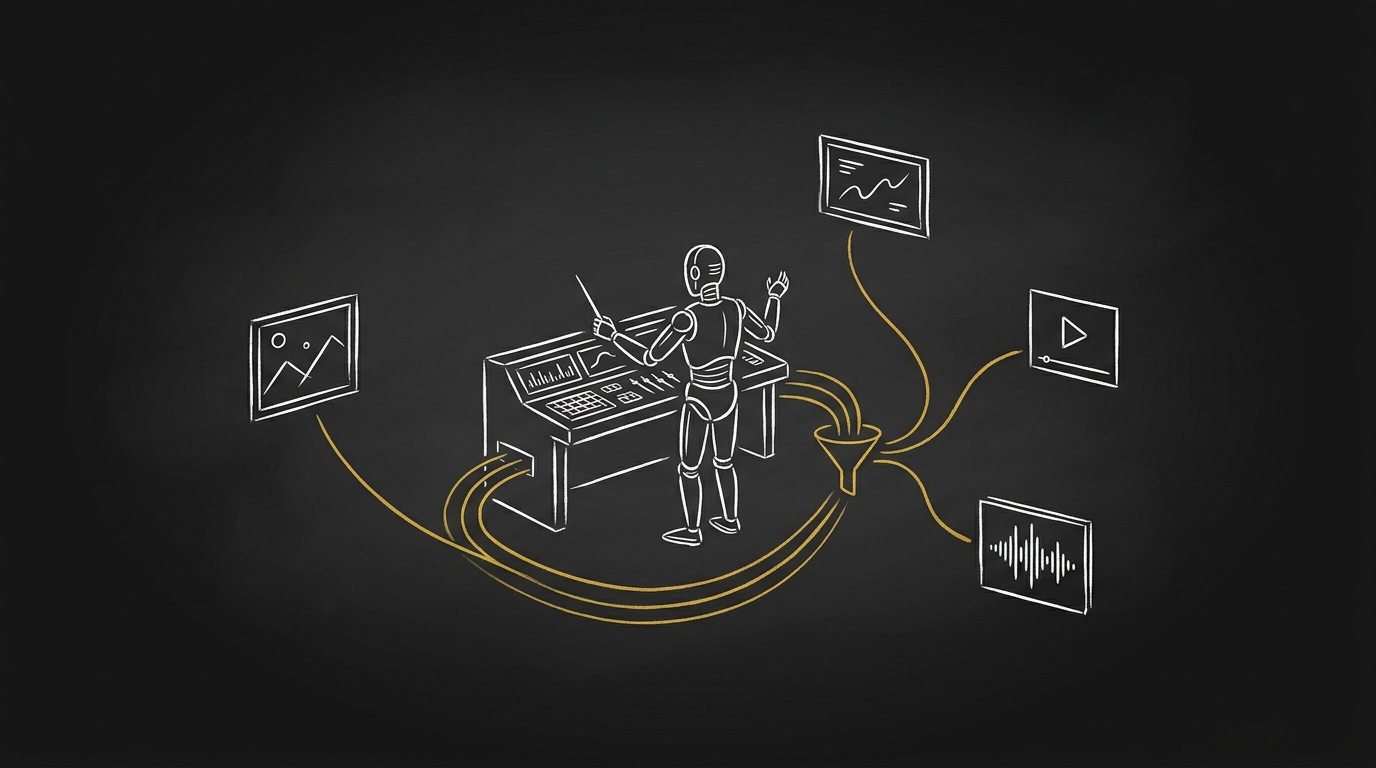
Turn a finished client engagement into a publishable, client-approved, compliance-safe customer story. Owns the 6-part narrative arc, mandatory metric provenance (every number sourced), the compliance framing (REACH/CLP/biocides — no conferred-status claims), and a human-owned two-gate approval workflow (release BEFORE the interview; approval BEFORE publish) on a provisioned board. Composes copy-engine (sentences), voice-builder (customer register), explainer-illustrations (before/after diagrams), section-designer (library layout), and @spideriq/publish-skills (publish + PDF + gated form). Guidance-only: the agent's own LLM runs the workflow following SKILL.md + 7 recipes; state persists via the OPVS coordination skills. Multilingual EN/DE/HE/RU/RO/FR/ES, compliance-aware. Backed by 25 metric-bearing real exemplars + 2 operational templates + 20 learnings + 6 enforcement scripts.
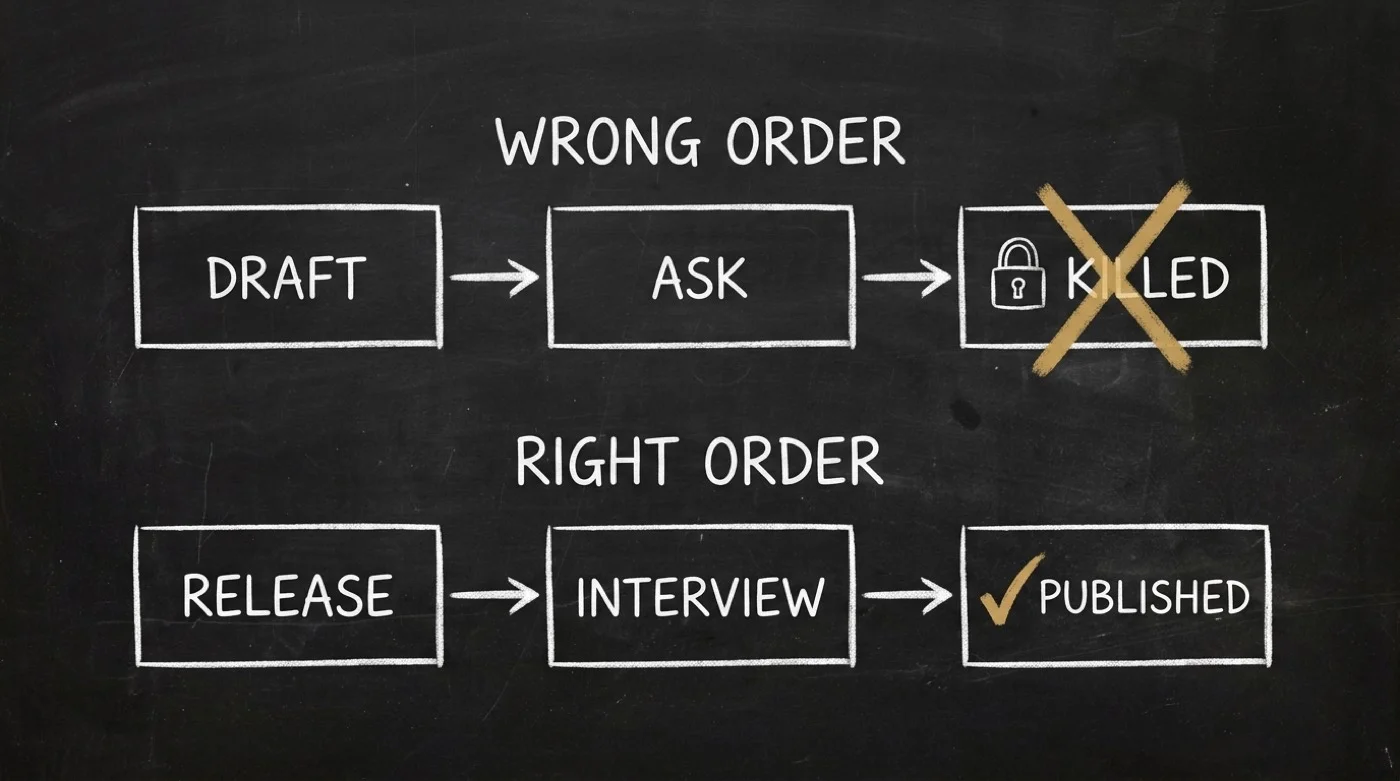
I had real wins — ONYX, Pamit, GUNGUARD, VayaPin — and no repeatable way to turn one into a proof asset I could actually publish. Every attempt was a bespoke negotiation: which numbers can I say, who signs off, what happens when the client edits the headline after approving it. So the strongest evidence the agency owns stayed buried in meeting transcripts. case-studies is the fix, and it does nothing on its own — it decides and composes. It owns the shape of a customer story and the discipline around it: a 6-part arc a script checks for completeness, metric provenance a script checks number by number, compliance framing that never claims a status a regulator confers, and a human-owned approval gate the skill reads but can never write. copy-engine writes the sentences, voice-builder carries the customer's register, explainer-illustrations plans the before/after diagrams, section-designer lays out the library, and @spideriq/publish-skills ships it — page, PDF, and gated form. Two rounds of research taught it the non-obvious parts. Secure the legal release before the interview, not after the draft, or a story dies at month six with all the cost sunk. Include the bumps, because a case study that reads as frictionless reads as fake. And never invent a baseline you didn't measure — the honest answer is sometimes "we can't publish a result for this one; here's what to instrument going forward." Backed by 25 real, sourced exemplars, two ask-and-release templates, 20 learnings, and 6 scripts that print PASS/FAIL with numbers the agent can't fudge.
Features5
Situation, Challenge, Intervention, Result, Lessons, CTA — plus the two beats everyone drops: what they tried before, and the bumps along the way. A frictionless story reads as fabricated.
No claim ships without an inline cite, and a percentage over 100% must show its baseline. 'Leads up 1,200%' fails; 'up 1,200% (3 → 39/month)' passes — and reads more honest.
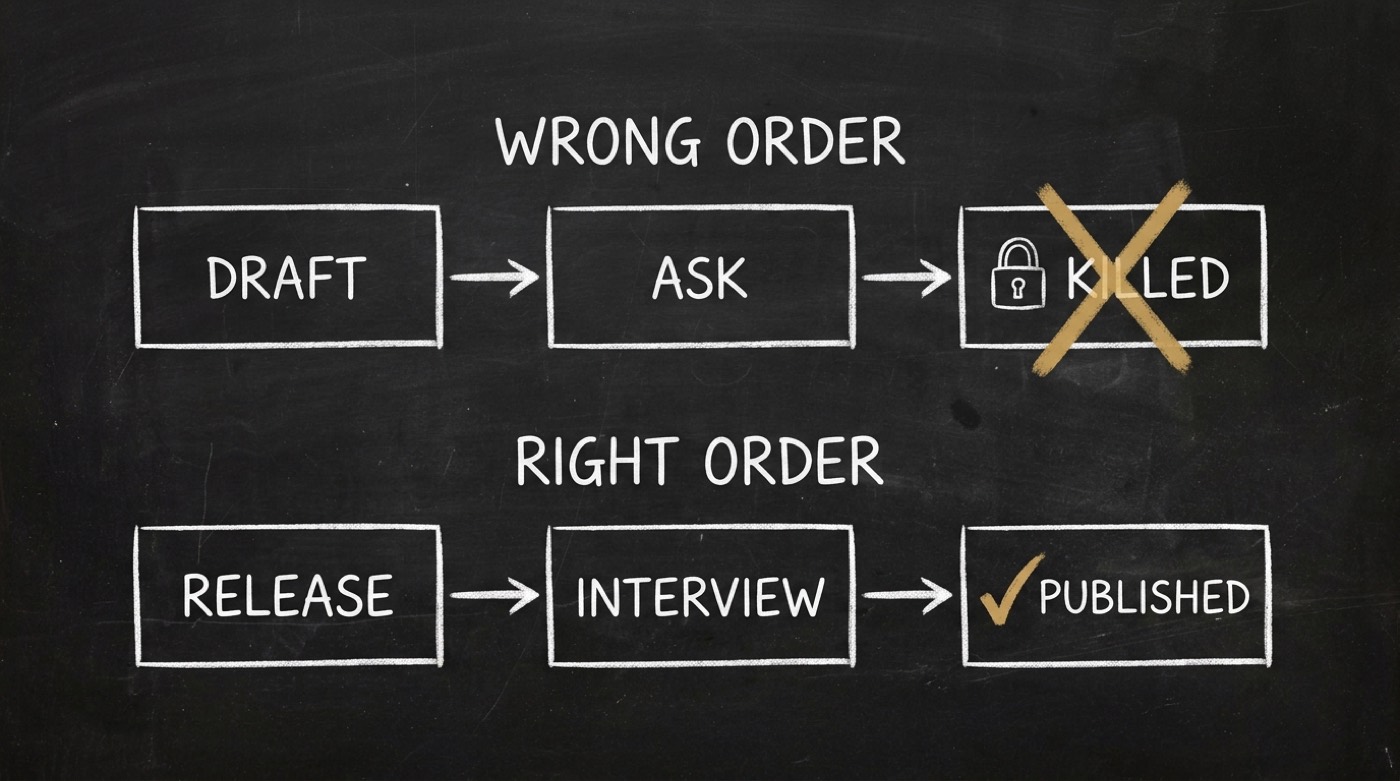
Release is secured BEFORE the interview; two sign-offs (internal, then customer) before publish. The skill reads that gate — it never writes its own approval.
For regulated work it writes 'supported the REACH dossier', never 'made them compliant'. Absolutes lose their footing inside a document full of measured claims.
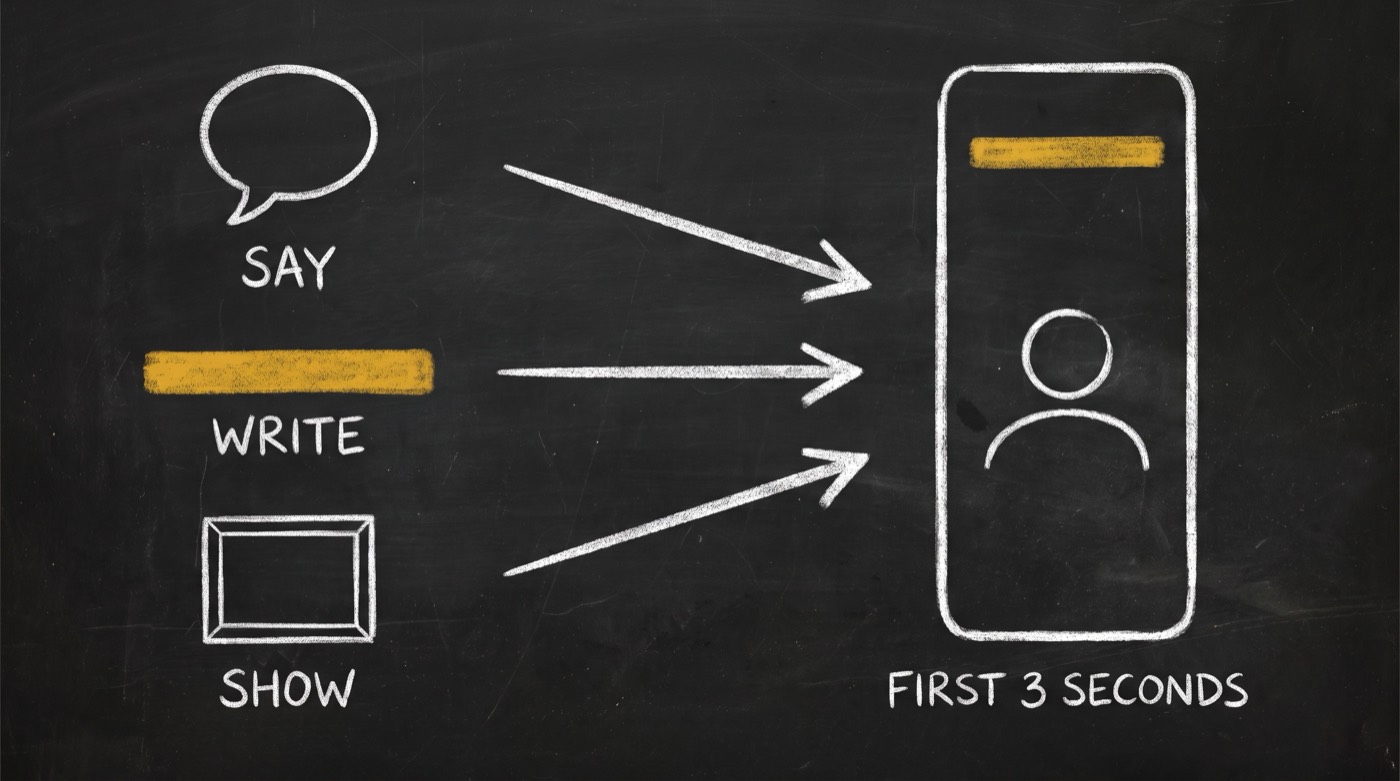
The deep page for skeptical buyers, the one-sheet for the sales team, the ad cut for social. Publishing once is the single biggest waste — atomize from the start.
Videos1 video
DemoCase Studies · Demo video
Demo · SpiderMediaArticles about Case Studies2 articles
I wrote up my best client win. Then legal killed it.
 opvs.ai23 Jul 2026
I wrote up my best client win. Then legal killed it.
A year ago I wrote up my best client win, then asked for sign-off, and legal killed it — months of proof sunk one signature short. Here's the fix I built into a skill: get the release before the interview, source every number, and let the client hold the pen.
Videos1 video
DemoCase Studies · Demo video
Demo · SpiderMediaArticles about Case Studies2 articles
Showing all 2
SKILL.mdthe file your agent reads
SKILL.md loads when you open this tab.
What's new
Reviews & ratingsno ratings yet
More like this
Shares a tag or category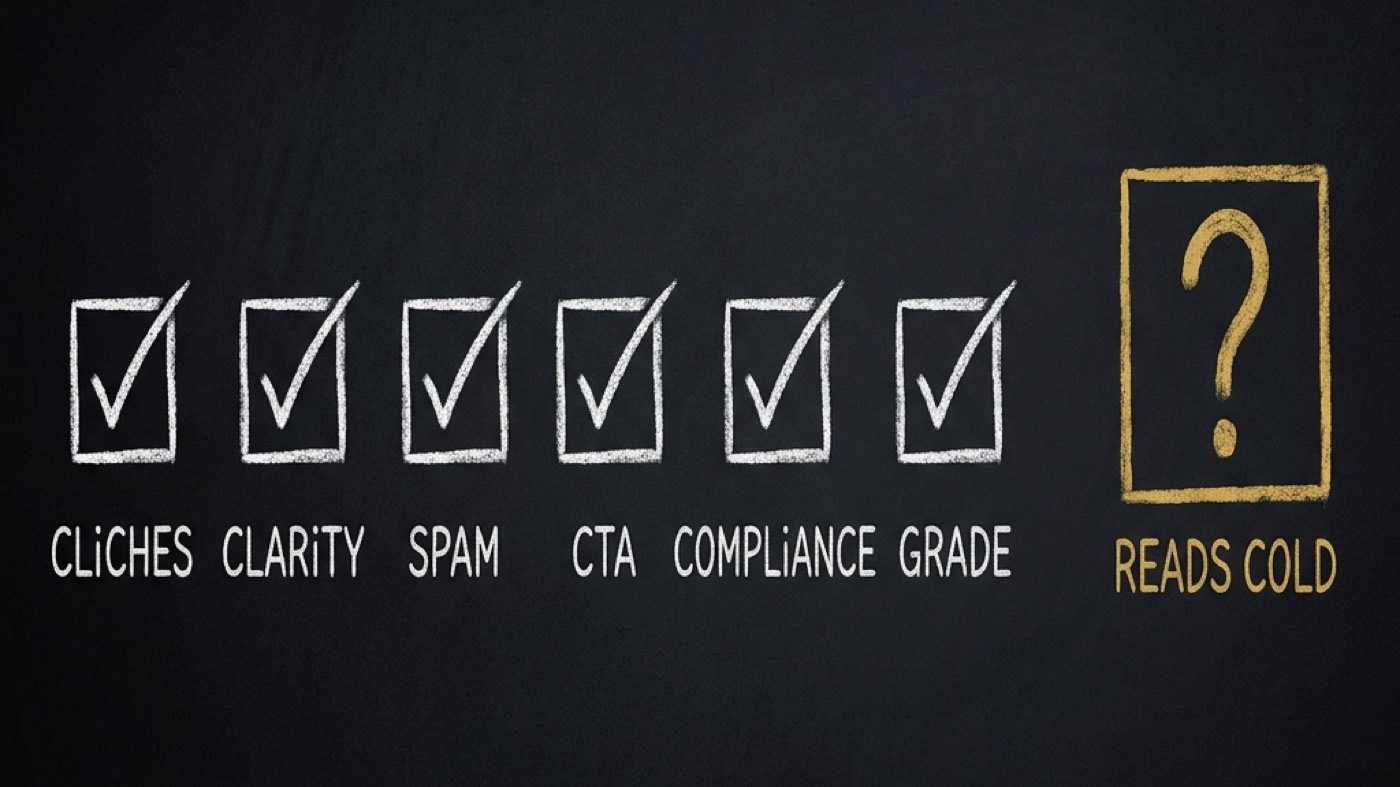 Skill▶ 14 images
Copy Engine
@di-atomic · communication
Draft / edit / score / audit marketing copy for any surface (landing-page hero, pricing, cold-email, follow-up, ad headline, blog intro, video script). Voice-aware, product-context-aware, compliance-aware for regulated industries (REACH / CLP / biocides), multilingual EN/DE/HE/RU/RO/FR/ES. Backed by 43 metric-bearing real exemplars + 8 enforcement scripts, incl. the story-led founder's-epiphany register and timed video scripts written as a per-beat, per-language beat table. Guidance-only — no callable API; the agent's own LLM composes the copy following SKILL.md, modelling each draft on a real metric-bearing exemplar from registry/ and gated by scripts that print PASS/FAIL with numbers. State persists via the upstream OPVS Coordination skills (agentdocs / agentmemory / agentboard) declared as peers.
 Skill▶ 14 images
Smartlead
@di-atomic · communication
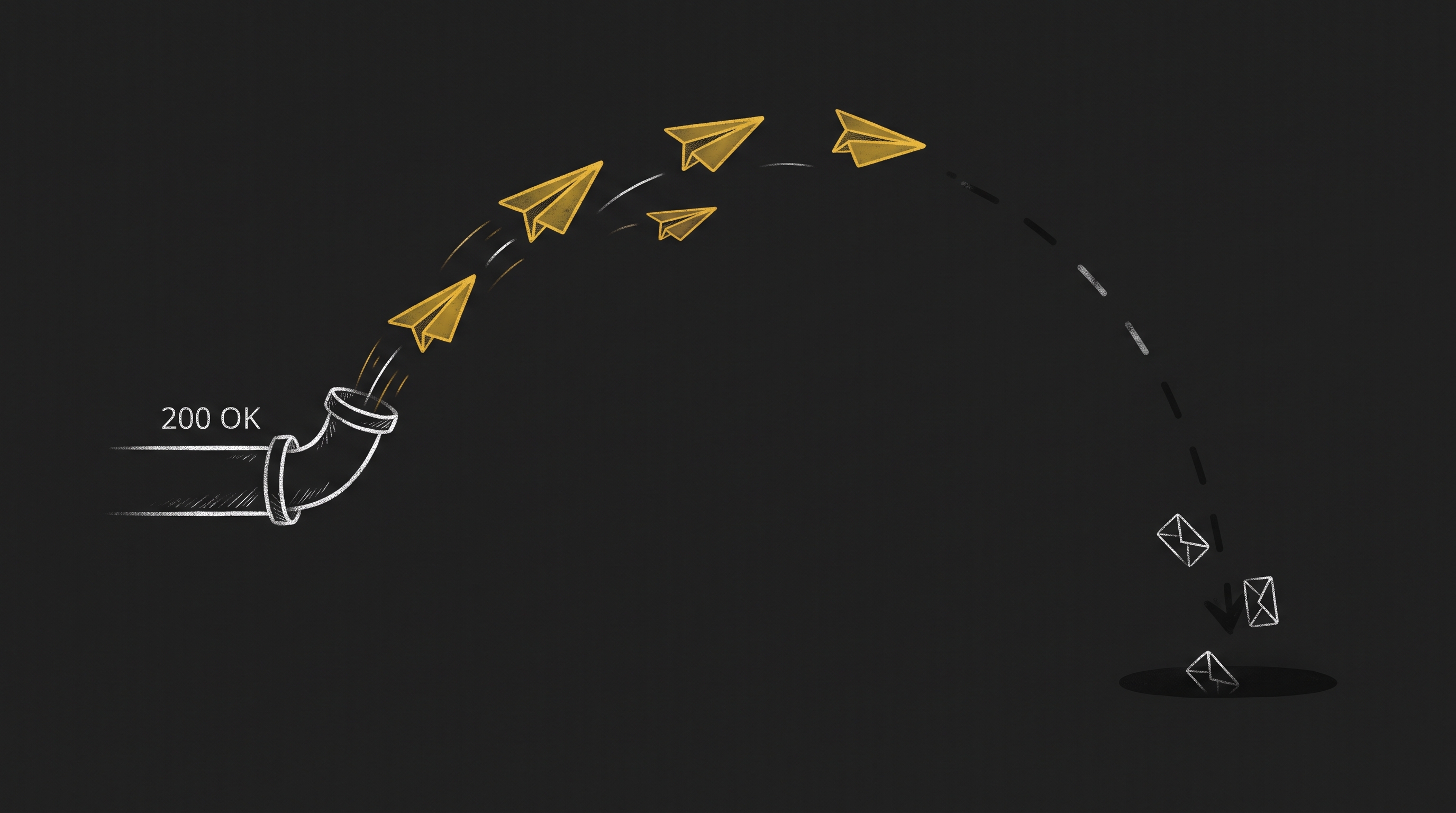
Launch and run Smartlead cold-email campaigns end-to-end — DNS pre-flight (SPF/DKIM/DMARC/MX), mailbox warmup + readiness gating, campaign create/ sequence/leads/schedule/start, real-time reply webhooks, and a 1:1 human follow-up loop via spidermail. Path-1 skill over the real Smartlead REST API (30-method contract, live-confirmed). The send hand outbound-engine delegates to; finishes cognitoAI's stubbed campaign export. Four enforcement scripts gate every destructive step with PASS/FAIL numbers.
 Skill▶ 14 images
Outbound Engine
@di-atomic · communication
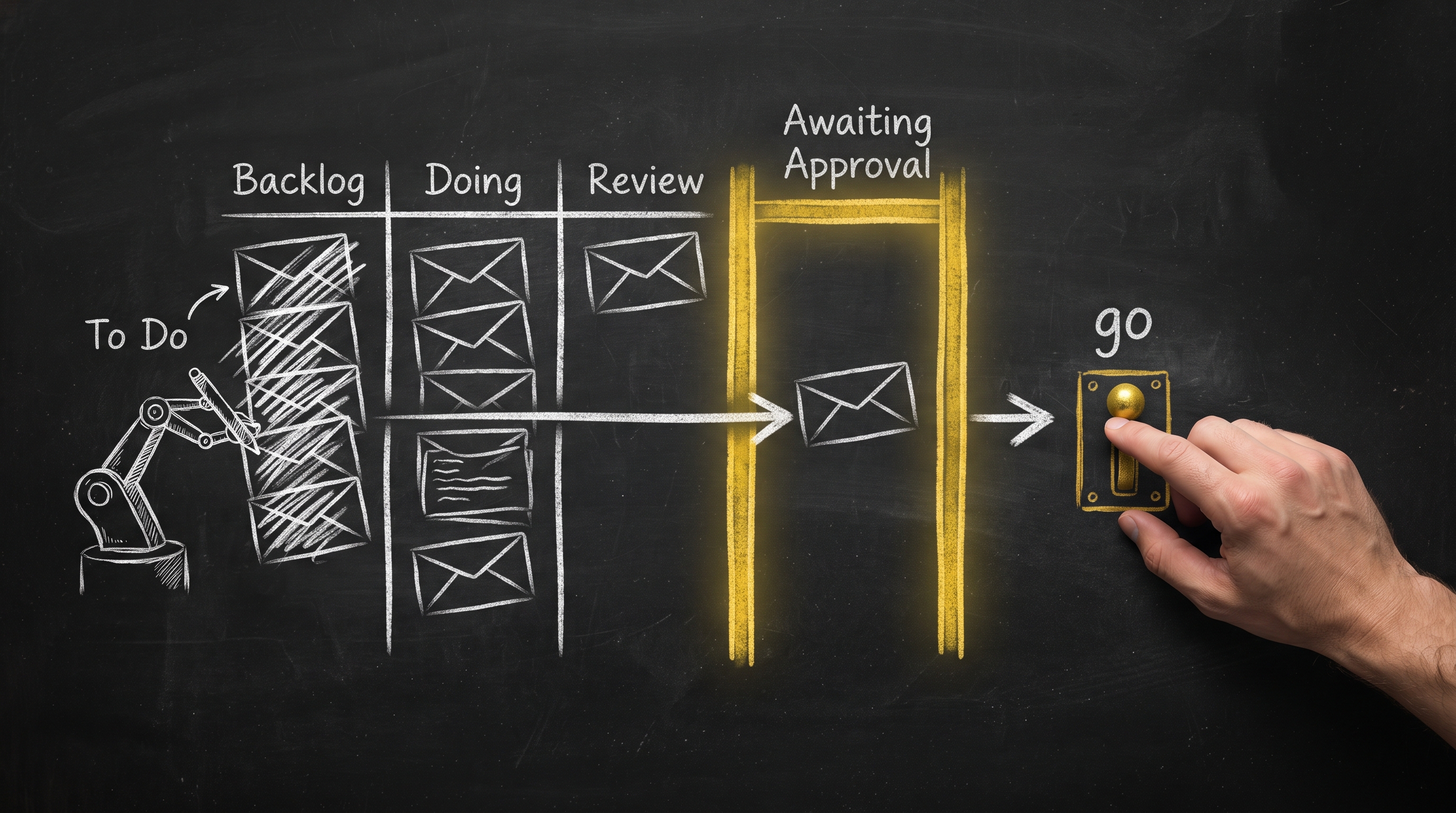
The outbound EMAIL brain (guidance-only) — mode-aware. Resolves the AUDIENCE first (does the recipient know you?): that picks the infrastructure, which dictates the format. cold-volume → smartlead (warmup + mailbox round-robin) · cold-agent → AgentBoard, one card = one lead, spidermail sends while smartlead only WARMS · broadcast → opt-in audiences via the house notification layer. Cold: pick 1 of 14 copywriting frameworks + tone + CTA + personalization, write the multi-touch ladder with per-email anti-repetition, 5 scripts gate it. Broadcast: author one issue against the house invariants behind a human [TEST]→approve gate. Provisions the boards (campaign · outreach · deals). No callable API — the agent's own LLM composes following SKILL.md, anchored on 47 registry items + 13 references + 12 recipes. It never sends: it delegates to @di-atomic/smartlead, @spideriq/spidermail and @spideriq/mcp-admin. GDPR/CAN-SPAM-aware.
 Skill▶ 14 images
Retention
@di-atomic · communication
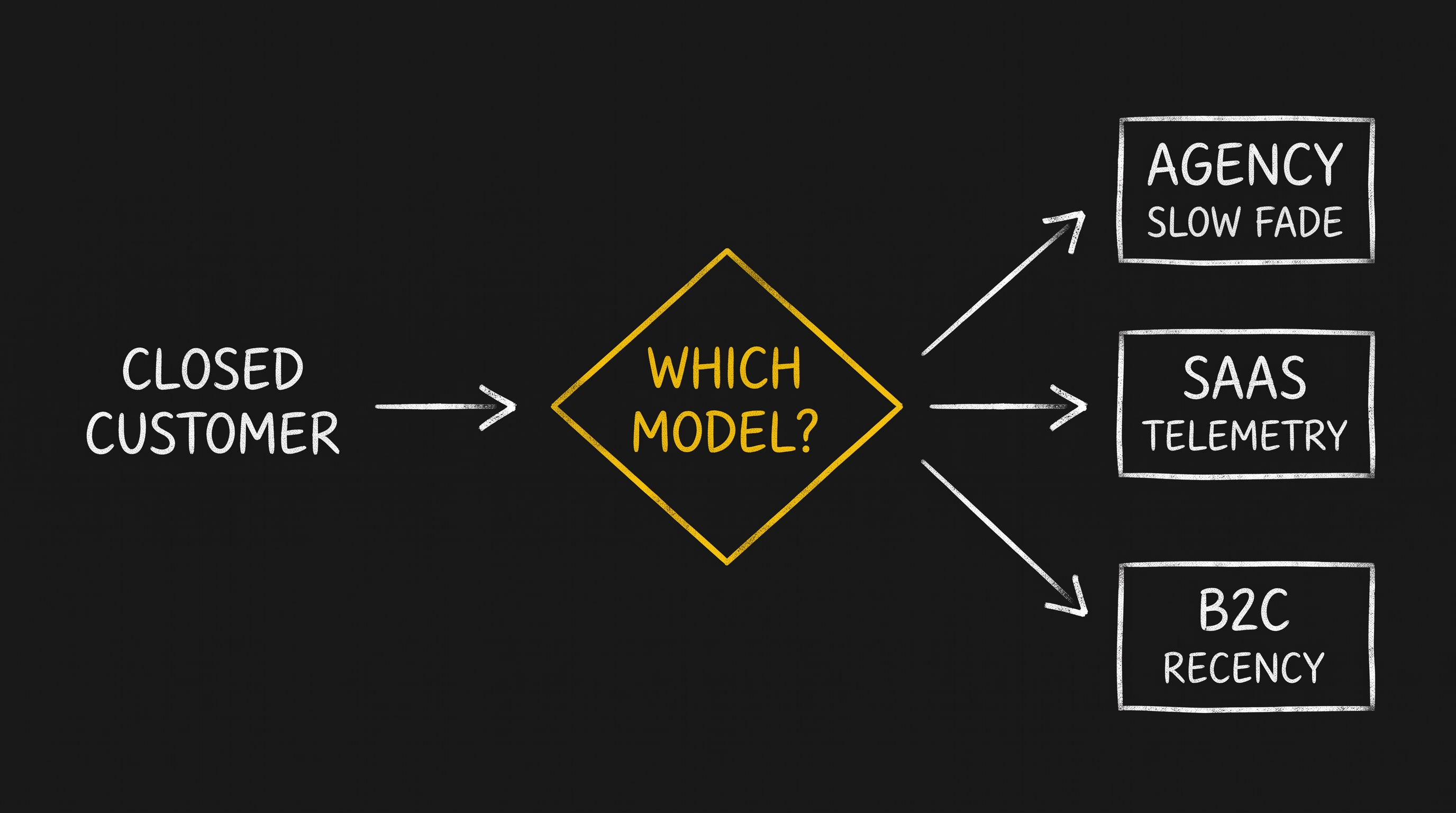
The keep-customers brain (guidance-only): branches on business model FIRST (agency | saas_b2b | b2c — three different playbooks; a discount saves a B2C buyer and gets an agency fired), scores churn risk on the model's own signals, picks the right save move, schedules the timed sequence, and hands the draft to its peers to send. Picks up where sales-pipeline ends. No callable API — the agent's own LLM runs the decision tree in SKILL.md, composing @di-atomic/outbound-engine (sequence) + smartlead (send) + copy-engine (copy) + voice-builder (register) + @spideriq/publish-skills (SpiderFlow timing) + the OPVS coordination peers (state/recall). Backed by 70 metric-bearing real exemplars + 21 learnings + 4 enforcement scripts. Compliance-aware (CA ARL single-offer + regulated-product claim limits).