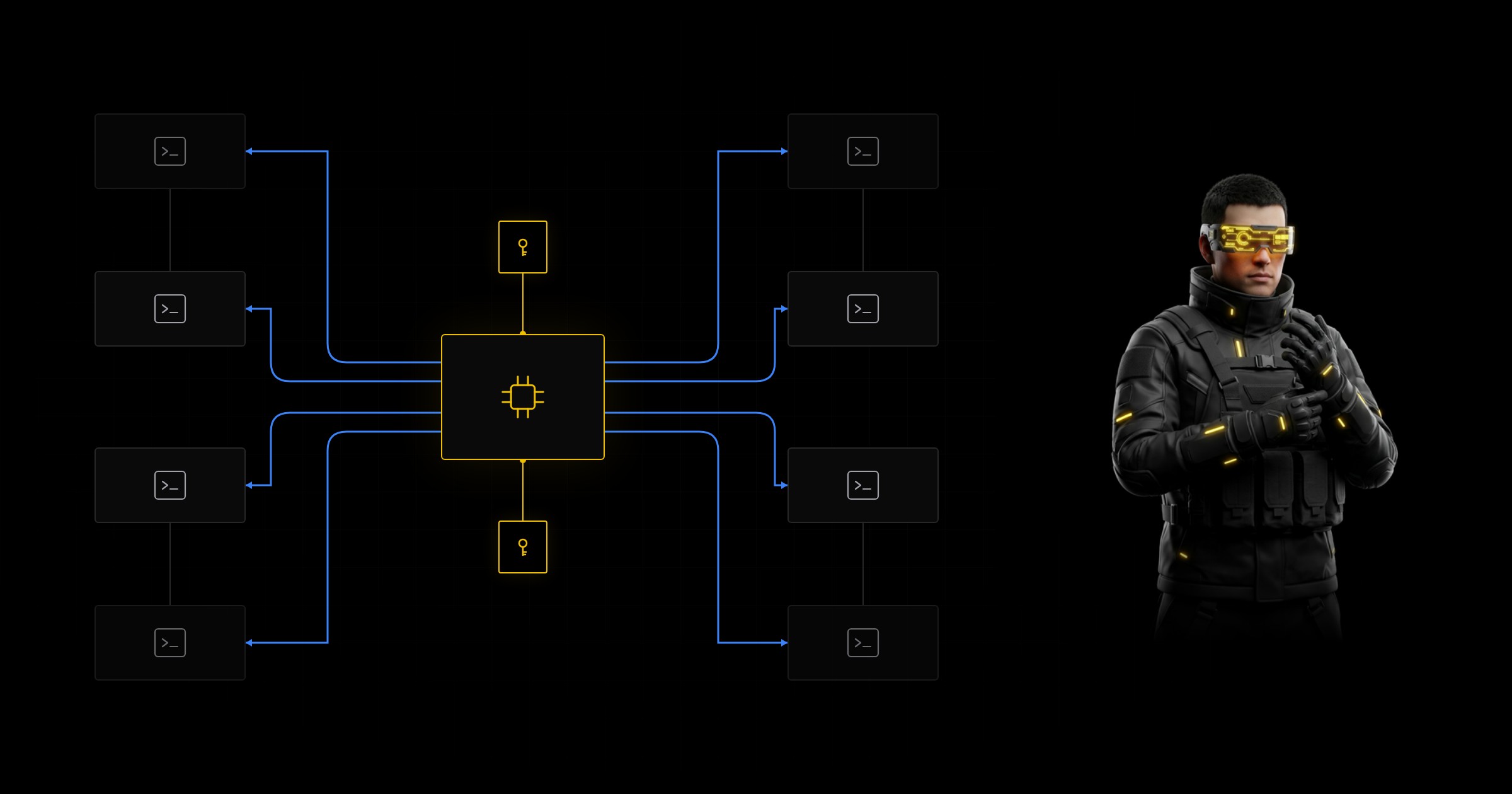
OPVS, the platform where businesses hire AI employees, today announced opvsRunner, a meta harness that drives eight coding agents—Claude Code, OpenHands, Codex, Cursor, OpenCode, Pi, Grok and Antigravity—from one task board on hosted or customer-owned Linux machines, so engineering teams can assign each build to a chosen tool and subscription without rewriting their workflow.
Most AI coding agents lock engineering teams into a single vendor runtime and billing model. Cloud agents such as Cognition's Devin and OpenAI Codex cloud run inside vendor-managed cloud sandboxes tied to one model family, according to their published product documentation, while command-line tools such as Anthropic's Claude Code and OpenHands each expect their own session loop, permission flags and credential layout. Teams that mix tools across tasks end up running separate terminals and repositories by hand.
What opvsRunner does:
Dispatches across eight coding harnesses per card. Each AgentBoard task card can pin its target harness, provider, model and subscription, or use the machine default. According to the opvs-sidecar runtime dispatcher, the sidecar routes each claimed task to Claude Code, OpenHands, Codex, OpenCode or Pi—plus brand-gated Cursor, Grok and Antigravity executors—and fails loudly if a pinned runtime is not installed rather than silently running on another tool.
Runs on hosted machines or a customer's own Linux VPS. From the OPVS dashboard, teams can order a hosted machine, attach an existing Ubuntu, Debian, Rocky Linux, AlmaLinux, CentOS, Red Hat Enterprise Linux, Fedora or Amazon Linux server with a read-only preflight check and a one-time install command, or add isolated coder slots on an already-connected machine. Every opvs-sidecar connects to OPVS over a private WireGuard mesh and is never exposed directly to the public internet.
Brings the customer's own subscriptions and API keys. According to the opvs-sidecar credential lane specification, interactive CLI builds lease a customer's vaulted Claude Code or Codex subscription into a throwaway per-build configuration directory and renew file-based leases before expiry, while API harnesses draw per-card tokens scoped to the selected subscription and model.
Isolates each build in a git worktree with pull-request gates. Every autonomous build runs in an isolated git worktree, checks that the task is still active and has a non-empty diff before pushing with a card-scoped GitHub App or token credential, and opens a pull request back-referenced to the board card for human review.
"Every coding agent has strengths on different tasks, but each one expects to own your terminal, your credentials and your workflow," said Martin Shein, founder of OPVS. "We built opvsRunner as a layer above individual harnesses so a team can attach its own Linux machines, bring its own subscriptions and route each card to the right coding agent from one board."
Availability: opvsRunner is available now to OPVS customers in the OPVS dashboard under Machines and Environments, with release updates on the OPVS Press page and product details at opvs.ai.